Election stress linked to increased risk of heart attacks and arrhythmias
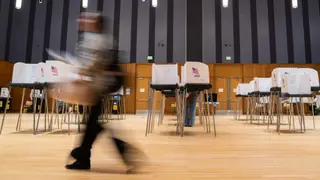
Research indicates that the psychological strain associated with political elections can trigger cardiovascular events, including irregular heartbeats and spikes in heart attack rates. The article explores how acute stress during high-stakes electoral periods impacts physiological health. It underscores the importance of mental and emotional well-being in maintaining heart health.
Recent research has identified a direct correlation between the psychological strain of political elections and an increased risk of cardiovascular events, including heart attacks and arrhythmias. While specific dates, locations, or demographic breakdowns are not detailed in the available material, the findings highlight how acute stress during high-stakes electoral periods can trigger measurable physiological responses in vulnerable individuals. The study underscores that emotional and mental health are not isolated from physical well-being, particularly in relation to heart function. These events appear to be linked to the intense anxiety, uncertainty, and emotional volatility often experienced during election cycles.
The background for this finding lies in growing recognition of the mind-body connection in medicine, especially concerning stress-related conditions. Prior research has long established that chronic stress contributes to cardiovascular disease, but this study focuses on acute, short-term spikes in stress—such as those seen during election seasons—that may precipitate immediate health crises. The implications suggest that public health strategies must consider not only lifestyle factors but also the psychological toll of societal events like elections.
The primary actors are researchers and medical professionals studying psychosomatic health, with potential interest from public health institutions aiming to integrate mental wellness into broader cardiovascula
The study could heighten public awareness of how political environments impact physical health, particularly among individuals with preexisting heart conditions. This may lead to increased demand for mental health support services during election periods and encourage healthcare providers to screen for stress-related risks. Adjacent institutions—such as election commissions, media outlets, and civic organizations—may feel pressure to promote calmer discourse and reduce inflammatory content, though no such shifts are yet documented. A comparable case is the observed rise in heart attacks following major global events like natural disasters or terrorist attacks, where acute stress has been linked to cardiovascular strain. This precedent suggests that societal stressors, even non-physical ones, can have measurable health consequences. What may unfold next includes calls for integrating psychological preparedness into public health planning, especially during high-tension periods. However