Phase III Trial Shows No Benefit of New Sarcoidosis Drug in Reducing Steroid Use
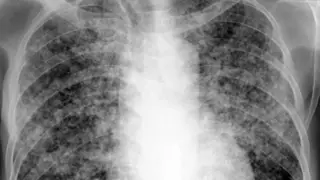
A phase III trial found that efzofitimod, a novel immunomodulatory drug for pulmonary sarcoidosis, did not reduce the need for corticosteroids compared to placebo. Despite the failure, steroid tapering was successful in 40–52% of patients across both treatment groups, underscoring the importance of aggressive steroid reduction strategies in clinical practice. The results suggest that future trials may need new endpoints beyond steroid dose reduction.
A phase III trial of efzofitimod, a novel immunomodulatory drug developed by aTyr Pharma, failed to demonstrate a statistically significant reduction in corticosteroid use among patients with pulmonary sarcoidosis compared to placebo. The EFZO-FIT study, conducted at the Cleveland Clinic and published in *The Lancet Respiratory Medicine* on October 30, 2026, included 264 participants randomized to receive either efzofitimod at 3 mg/kg or 5 mg/kg monthly infusions, or placebo. Despite the drug’s intended role as a steroid-sparing agent, neither dose showed meaningful benefit in reducing daily oral corticosteroid doses by week 48—changes were negligible (0.02 mg for 3 mg/kg, -0.73 mg for 5 mg/kg) with p-values of 0.98 and 0.33, respectively. However, a striking 40–52% of patients across all groups achieved steroid discontinuation by week 48, indicating that the protocolized tapering strategy was effective regardless of treatment. The average baseline corticosteroid use was 10.7 mg/day, with nearly half on doses between 10 and 20 mg daily; by week 48, this dropped to an average of 2.9 mg/day across all groups. This outcome challenges the assumption that new drugs are needed to enable steroid reduction, suggesting instead that structured clinical protocols may be underutilized.
The background for this trial reflects a long-standing gap in sarcoidosis treatment: despite corticosteroids being the first-line therapy, their prolonged use is linked to significant morbidity and mortal
The failure of efzofitimod to reduce steroid use may shift focus from developing new immunomodulators toward optimizing existing clinical practices. With steroid tapering proving effective across all groups, healthcare systems could see increased adoption of standardized protocols—potentially reducing long-term complications like osteoporosis, diabetes, and cardiovascular risk without relying on costly new drugs. This could influence guidelines, encouraging more systematic implementation of tapering regimens in routine care. The broader impact may be a reevaluation of clinical trial design in chronic inflammatory diseases, where endpoints like steroid reduction may need to be reconsidered if they are not sensitive enough to detect drug effects. A comparable precedent is the shift away from using symptom relief as a primary endpoint in COPD trials after multiple drugs failed to show meaningful differences despite patient-reported improvements. In this case, the emphasis on patient-repor