New pathway explains how high-fat diets weaken cholesterol control—and how to block it
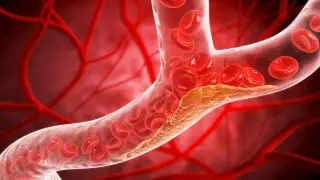
Scientists at UC San Diego have identified a previously unknown biological mechanism by which high-cholesterol diets impair the liver's ability to clear LDL from the blood. They discovered that this process can be blocked with an experimental drug that has already passed early human safety trials, offering a promising new avenue for treating high cholesterol without common side effects.
In October 2026, researchers at the University of California San Diego School of Medicine published findings in Nature detailing a previously unknown biological pathway that explains how high-cholesterol diets impair the liver’s ability to clear LDL cholesterol from the bloodstream. The study identified two key players: the protein Ral, activated by dietary cholesterol, and the enzyme cathepsin A (CTSA), which drives the degradation of LDL receptors on liver cells. When CTSA is inhibited using a small molecule compound, LDL receptor stability increases, leading to significantly reduced circulating LDL cholesterol in mice. This mechanism operates independently of existing treatments like statins or PCSK9 inhibitors, which target different pathways. Notably, an experimental drug designed to inhibit CTSA had already undergone Phase 1 human safety trials as part of a discontinued heart failure program, providing a rare shortcut in development. The research team, led by senior author Alan Saltiel, PhD, believes this prior clinical safety data could allow the drug to move directly into Phase 2 trials for cholesterol management, potentially accelerating its path to patients.
The discovery builds on long-standing knowledge that high-cholesterol diets reduce LDL clearance but lacked a full mechanistic explanation. Prior treatments have not worked for all patients—some fail to achieve safe cholesterol levels or suffer side effects like muscle pain or liver issues. The new pathway of
This discovery could significantly affect cardiovascular care by offering a new therapeutic avenue for patients who don’t respond to current cholesterol-lowering drugs. With heart disease remaining the leading global cause of death, even incremental improvements in LDL control may reduce long-term risk. The fact that a drug candidate has already passed human safety testing reduces development time and financial risk—potentially enabling faster access than typical drug pipelines allow. This mirrors earlier cases like the repurposing of statins from experimental compounds to first-line treatments, where existing safety data accelerated widespread adoption. If successful, this approach may influence pharmaceutical investment in target repositioning, especially for metabolic diseases. However, it remains uncertain whether CTSA inhibition will be effective in humans or if side effects emerge at higher doses. The next critical step—Phase 2 trials—will determine whether the promise seen in mi