Physicians Run for Office in 2026 Midterms, Bringing Medical Expertise to Politics
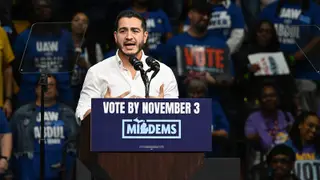
This year’s midterm elections feature a notable number of physicians running for federal and state offices, including senators, representatives, and gubernatorial candidates. Their medical backgrounds are shaping their platforms, particularly on healthcare access, policy reform, and public health. The presence of doctors in political races reflects growing voter interest in healthcare expertise at the policymaking level.
In the 2026 midterm elections, a growing number of physicians are running for federal and statewide office, marking a notable trend in American politics. Among them are 15 sitting physicians serving in the U.S. House of Representatives who are seeking re-election, including prominent figures such as Ami Bera (D-Calif.), Scott DesJarlais (R-Tenn.), and Kim Schrier (D-Wash.). Additionally, several physician candidates are challenging incumbents or vying for new seats: Annie Andrews (D-S.C.) and Abdul El-Sayed (D-Mich.) are running for Senate in their respective states, while Michael Katz (R-Del.) is also a Senate challenger. In the House, notable challengers include Richard Pan (D-Calif.), Amish Shah (D-Ariz.), and Ralph Alvarado (R-Ky.). At the gubernatorial level, Amy Acton (D-Ohio) is mounting a campaign for governor. These candidates are not only bringing medical credentials to their platforms but are also shaping policy discussions around healthcare access, public health infrastructure, and systemic reform—issues that have gained heightened attention among voters in recent years.
The rise of physician candidates reflects broader voter demand for leaders with firsthand experience in medicine and patient care. This shift may be influenced by prior concerns over healthcare affordability, workforce shortages, and the long-term impacts of the pandemic on public health systems. The fact that some of these physicians hold dual credentials—such as Herb Conaway (MD, JD)—suggests a
The increasing presence of physicians in political office could reshape national conversations around healthcare policy by introducing clinical perspectives into legislative debates. If elected, these candidates may advocate for reforms grounded in real-world medical experience—such as expanding access to primary care, addressing provider burnout, or improving public health surveillance systems. Their participation may also influence voter perceptions of trustworthiness and expertise in governance, particularly in a post-pandemic era where healthcare has become a central concern. Comparable to the 2018 wave of “Medicare for All” advocates, this trend reflects a broader demand for policy leaders with domain-specific knowledge. However, it remains unclear whether their medical backgrounds will translate into legislative success or if they will be perceived as too narrowly focused on clinical issues. What’s next could include greater scrutiny of how medical experience informs policymaking