Penicillin Allergy Triggered Anaphylaxis Through Sexual Contact, Case Reveals
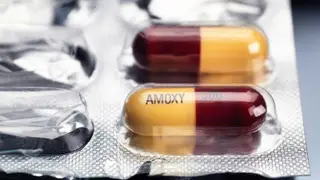
A woman with a known penicillin allergy suffered anaphylaxis minutes after intercourse with her husband, who was taking amoxicillin. Researchers believe the reaction resulted from mucosal exposure to the antibiotic in bodily fluids. The case highlights a rare but serious risk of drug transmission during sex and calls for greater awareness and counseling among patients and providers.
A 20-something woman with a documented history of penicillin allergy experienced anaphylaxis within five minutes of vaginal intercourse with her husband, who was taking amoxicillin (500 mg three times daily). The reaction—characterized by generalized itching, widespread hives, angioedema affecting the throat and tongue, hypotension (88/56 mm Hg), tachycardia (115 bpm), and wheezing—occurred shortly after her partner’s ejaculation. She had previously suffered a systemic reaction to amoxicillin/clavulanic acid five years earlier, with symptoms including urticaria, lip swelling, and loss of consciousness requiring emergency treatment. Her prior exposure to crushed amoxicillin while caring for her dog also triggered hives, reinforcing her sensitivity. At the time of the incident, she had not ingested any antibiotics or new foods, but her partner had taken his last dose six hours before intercourse. The temporal link, combined with a positive skin prick test to amoxicillin and negative IgE testing one year later, led clinicians to conclude that mucosal exposure via seminal fluid was the likely route of allergen transfer. Researchers from King’s College Hospital in London, including Cassim Akhoon, emphasize this rare but serious risk, calling for greater awareness among patients and healthcare providers. The patient expressed frustration at being doubted by medical staff who initially assumed she had taken the drug herself, highlighting a gap in clinical understanding of indirect a
This case could prompt a reevaluation of patient counseling in allergy care, particularly regarding sexual health and medication use. Patients with severe drug allergies may need guidance on avoiding intimate contact during partner antibiotic therapy—especially for high-risk drugs like penicillins—though such advice is currently absent from standard protocols. Healthcare providers, especially in emergency medicine, may need training to recognize indirect exposure as a plausible cause of anaphylaxis, reducing diagnostic delays and patient distress. The incident may also influence public health messaging around medication safety, potentially leading to new guidelines or warnings on prescription labels. A comparable earlier case involved a woman with a peanut allergy who reacted after kissing her partner who had eaten peanuts—highlighting how indirect allergen exposure can be overlooked. This story may spur research into the transfer of other allergens through bodily fluids, including hor