FDA approves generic version of HIV prevention drug to boost global access
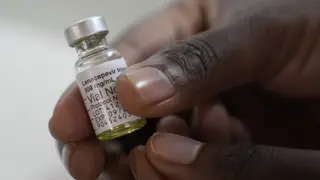
The FDA has approved a generic version of the HIV prevention drug lenacapavir, marking a significant step toward expanding access in low- and middle-income countries. This decision is expected to reduce costs and increase availability of pre-exposure prophylaxis for at-risk populations. The move supports global public health efforts to curb new HIV infections.
The U.S. Food and Drug Administration (FDA) has approved a generic version of lenacapavir, a drug used for pre-exposure prophylaxis (PrEP) to prevent HIV infection. This approval marks a pivotal development in global health access, particularly for low- and middle-income countries where cost and availability have historically limited the use of newer prevention therapies. While specific pricing details or rollout timelines are not included in the available information, the decision is expected to lower costs significantly and increase the drug’s availability among at-risk populations. The approval applies specifically to lenacapavir, a long-acting injectable medication that offers protection against HIV with infrequent dosing—potentially once every six months—making it a promising advancement over daily oral PrEP regimens.
The broader context includes years of advocacy and policy efforts aimed at reducing barriers to HIV prevention tools in underserved regions. Prior to this approval, access to newer PrEP drugs like lenacapavir was largely restricted due to high prices set by the original manufacturer. Global health organizations, including UNAIDS and the World Health Organization, have long emphasized equitable access as a cornerstone of ending the HIV epidemic. The FDA’s decision may reflect growing pressure from public health advocates and international agencies to prioritize affordability and scalability in drug approvals. While the specific entities involved beyond the
This approval could significantly expand access to a cutting-edge HIV prevention tool, particularly in regions where cost has been a major barrier. By enabling lower prices through generic competition, it may empower public health programs to scale up PrEP use among high-risk populations such as sex workers, transgender individuals, and people in areas with high HIV prevalence. The broader societal impact may include reduced new infections, decreased strain on healthcare systems, and improved quality of life for at-risk communities. A comparable precedent is the 2010 rollout of generic antiretroviral therapies in sub-Saharan Africa, which dramatically increased treatment access and helped reverse HIV transmission trends. While lenacapavir’s long-acting nature offers a distinct advantage over daily pills, its real-world effectiveness will depend on infrastructure for injections and patient adherence to the schedule. The next steps to watch include whether international donors and gov