MIT develops water-resistant microneedles to vaccinate farmed fish efficiently
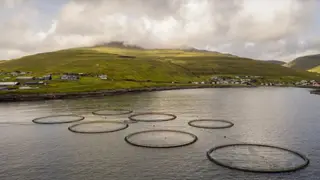
Researchers at MIT, in collaboration with the U.S. Department of Agriculture, have engineered water-resistant microneedles capable of delivering vaccines to small farmed fish. The innovation enables precise, needle-free immunization in aquatic environments, improving disease control and reducing reliance on antibiotics in aquaculture.
Researchers at the Massachusetts Institute of Technology (MIT), in collaboration with the U.S. Department of Agriculture, have developed water-resistant microneedles designed to deliver vaccines directly to small farmed fish. These microneedles are engineered to remain functional in aquatic environments, enabling precise immunization without the need for traditional needle injections or chemical baths. The innovation addresses a critical challenge in aquaculture: the difficulty of administering vaccines efficiently in water-based systems where conventional methods often result in low uptake, waste, and stress on fish. While specific details such as the exact vaccine type, number of fish tested, or deployment locations are not provided, the technology is positioned as a breakthrough for disease control in fish farming. The development follows growing concerns over antibiotic overuse in aquaculture, which contributes to antimicrobial resistance—a global health priority. This project builds on prior research into microneedle delivery systems but adapts them for underwater use, marking a significant shift from terrestrial medical applications. The team’s goal is to reduce reliance on antibiotics by enabling targeted, scalable vaccination, potentially improving fish health and food safety. It remains unclear whether the technology has undergone field trials or regulatory approval, nor is there information on scalability beyond lab settings. The next steps likely involve pilot prog
This development could significantly influence sustainable aquaculture by offering a more humane and effective alternative to current vaccination methods. If successfully scaled, it may reduce antibiotic use in fish farming, addressing public health concerns about antimicrobial resistance while improving animal welfare. The technology may also lower operational costs for farms by minimizing vaccine waste and labor associated with manual dosing. Comparable to the adoption of automated poultry vaccination systems in the 2000s, this innovation could become a standard practice in large-scale fish farming if proven reliable and cost-effective. However, its broader impact depends on regulatory acceptance, integration into existing farm infrastructure, and resistance from traditional methods. Market players such as seafood processors, environmental regulators, and international food safety bodies may need to adapt standards to accommodate needle-free delivery systems. The long-term success of