First U.S. fatality from bird flu this year linked to infected dairy cattle
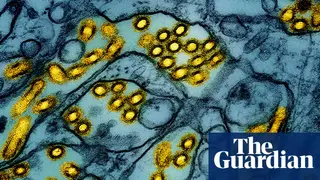
A Washington state resident has died from complications of avian influenza, marking the first human death from bird flu in the U.S. this year. The individual was exposed to infected cattle at a dairy farm in Yakima County and had pre-existing health conditions. Health officials confirmed three human cases in the county, with one other case not requiring hospitalization.
A resident of Yakima County, Washington, has died from complications linked to avian influenza A H5N1, marking the first human fatality from bird flu in the U.S. this year. The individual, whose identity remains undisclosed, was exposed to infected dairy cattle at a farm in early October and developed severe illness requiring hospitalization before succumbing on Monday, November 2, 2026. Health officials confirmed three human cases in Yakima County since early October, with the other two individuals not requiring hospitalization. The case is notable because it underscores the evolving risk of zoonotic transmission from livestock to humans, particularly among those with pre-existing health conditions. Since early October, 33 dairy herds in Yakima County have tested positive for highly pathogenic avian influenza (HPAI), raising concerns about animal-to-human spread. The Yakima Health District and Washington State Department of Health are monitoring close contacts of the deceased and confirmed cases to prevent further transmission.
The broader context includes a growing pattern of HPAI outbreaks in U.S. dairy herds since 2023, with the CDC reporting 72 human cases nationwide since January 2024. The first U.S. death from bird flu was recorded in January 2025, setting a precedent for this year’s fatality. Public health officials emphasize that human-to-human transmission remains extremely rare and has not been documented in the U.S., though the risk is higher for dairy workers an
This fatality could heighten public concern about agricultural zoonoses, particularly as dairy operations become increasingly central to HPAI transmission pathways. While the risk to the general population remains low, the incident may prompt tighter regulations for livestock handling, especially in high-density farming regions like Yakima County. Dairy workers and rural communities may face increased scrutiny and potential policy changes around protective equipment and exposure monitoring. The broader implications extend to food safety perceptions, with possible ripple effects on milk consumption or dairy exports if misinformation spreads. Comparable to the 2009 H1N1 pandemic, where initial underestimation led to delayed responses, this case could serve as a cautionary signal about emerging threats from animal reservoirs. What may follow includes expanded testing of livestock, public health advisories for farm workers, and increased funding for surveillance systems—though no definitiv