Daily Avocado and Mango Consumption Improves Vascular Health in Prediabetes Patients
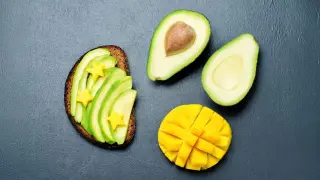
A study found that consuming one avocado and a cup of mango daily for eight weeks improved blood vessel function and reduced diastolic blood pressure in adults with prediabetes, without weight gain or increased calorie intake. The benefits were especially pronounced in men and suggest a simple dietary strategy to support cardiovascular health.
A clinical trial conducted at the Illinois Institute of Technology (Illinois Tech) found that adults with prediabetes who consumed one medium Hass avocado and one cup of fresh mango daily for eight weeks showed significant improvements in vascular health and blood pressure, without weight gain or increased calorie intake. The study, published in the Journal of the American Heart Association on November 3, 2026, measured flow-mediated dilation (FMD), a key indicator of endothelial function, which rose to 6.7% in the avocado-mango group compared to a decline to 4.6% in the control group. Men in particular saw a reduction of about 1.9 mmHg in central blood pressure, while those in the control group experienced an average increase of 5 mmHg. These changes were observed despite no shift in total caloric consumption or body weight, highlighting the importance of food quality over quantity. The study involved 60 participants with prediabetes, a condition affecting approximately 98 million Americans, who are at heightened risk for type 2 diabetes and cardiovascular disease. The research was funded by the National Mango Board and Hass Avocado Board, which also provided support for the study’s design and dissemination.
The findings build on growing interest in food-first interventions for metabolic health, particularly among populations where lifestyle changes are difficult to sustain. Prior studies have shown that monounsaturated fats, fiber, and antioxidants—abundant in both fruits—
The study could influence dietary guidelines and public health messaging, particularly for individuals with prediabetes who are often advised to manage weight and blood sugar but may lack clear, enjoyable food-based strategies. If validated in larger trials, the avocado-mango combination might be promoted as a simple, palatable intervention to support vascular health—potentially reducing reliance on pharmaceuticals or restrictive diets. The involvement of industry groups like the National Mango Board and Hass Avocado Board raises questions about potential bias, though the study was peer-reviewed and published in a reputable journal. This case resembles earlier research on nuts and olive oil, where nutrient-dense foods were shown to benefit heart health despite their calorie content—suggesting that food quality may matter more than quantity alone. The findings may also impact food marketing, with producers of these fruits potentially highlighting cardiovascular benefits in advertising.