Keeping daylight saving time year-round could increase child pedestrian risks and disrupt sleep
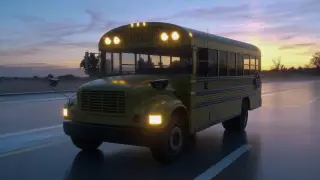
A new study warns that permanent daylight saving time would result in at least two billion more school commutes occurring in darkness, particularly during winter months. Researchers found that fatal crashes involving children are nearly twice as likely in dark mornings compared to after sunrise. The shift could also negatively impact children's circadian rhythms and overall health.
On November 4, 2026, researchers from the University of Washington released findings warning that adopting permanent daylight saving time (DST) across the United States could result in at least 2 billion additional school commutes occurring in darkness—particularly during winter months when sunrise is delayed by an hour. The study analyzed data from 14 of the 19 states that have already approved legislation to make DST permanent, including Washington, Georgia, Mississippi, and Alabama. In Washington alone, nearly 35 million more trips would occur before sunrise; Georgia saw an estimated 71 million additional dark commutes. Schools in western time zone boundaries—such as Forks, Washington—and those with early start times (often before 8 a.m., especially in the South) would be disproportionately affected. The research linked dark morning commutes to a near doubling of fatal pedestrian crashes involving school-aged children compared to trips after sunrise, based on U.S. traffic collision records published in Current Biology on October 29, 2026. This shift could also disrupt children’s circadian rhythms by reducing exposure to crucial morning sunlight, which helps regulate sleep, mood, and metabolism. The study was led by postdoctoral researcher Guadalupe Rodríguez Ferrante and senior author Horacio de la Iglesia, both of the University of Washington’s biology department. While 19 states have passed state-level support for permanent DST, federal legislation—the Sunshine Protectio
The proposed shift to permanent daylight saving time could disproportionately affect low-income communities and rural districts where school buses run on fixed schedules and children walk or wait at stops in darkness. With over 2 billion additional dark commutes projected, the implications extend beyond individual safety to broader public health and transportation planning. Schools may need to reconsider start times or invest in better lighting and supervision during early hours, potentially straining already limited budgets. The disruption of circadian rhythms due to reduced morning light could also impact student concentration and academic performance—issues that may compound existing educational inequities. A comparable precedent is the 1973 oil crisis, when daylight saving time was extended nationally in an effort to conserve energy; while intended as a temporary measure, it sparked long-term debate over its social costs. The current debate reflects a similar tension between percei