Ninth Circuit Reinstates Labor Lawsuit by Cannabis Retailer Amid Legal Challenge to California’s Captive-Audience Law
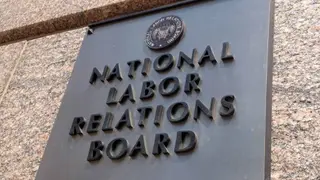
The Ninth Circuit Court of Appeals has revived a labor law challenge filed by a cannabis retailer, ruling that California’s captive-audience law may violate employee rights. The decision also coincides with the National Labor Relations Board naming a new solicitor to lead enforcement efforts. The case underscores ongoing legal tensions between state regulations and workplace protections in emerging industries.
The Ninth Circuit Court of Appeals has reinstated a labor lawsuit brought by a cannabis retailer in California, determining that the state’s captive-audience law may infringe on employee rights protected under federal labor law. The ruling comes amid heightened scrutiny of how state regulations intersect with workplace protections, particularly in emerging industries like cannabis. While the specific name of the retailer is not provided, the case centers on whether mandatory workplace communications—such as employer-led meetings or presentations—constitute coercive practices that undermine employees’ rights to organize or speak freely under the National Labor Relations Act (NLRA). The court’s decision reverses a prior dismissal and allows the lawsuit to proceed, signaling judicial skepticism toward California’s captive-audience law in the context of labor rights. This development coincides with the appointment of a new solicitor by the National Labor Relations Board (NLRB), who will lead enforcement efforts on labor-related matters, potentially influencing how such cases are pursued nationwide.
The background to this case lies in the evolving legal landscape surrounding cannabis businesses, which operate under a patchwork of state and federal laws. While California has legalized recreational cannabis, federal law still classifies it as illegal, creating regulatory uncertainty. The captive-audience law, designed to ensure transparency in workplace communications about cannabi
This ruling could influence how emerging industries navigate compliance with state laws while upholding federal employee rights. Workers in regulated sectors—such as cannabis, hemp, or even tech companies with mandatory training sessions—may gain stronger legal footing to challenge coercive workplace practices. The decision may also prompt other states with similar captive-audience laws to reassess their policies, especially if the NLRB’s new solicitor prioritizes enforcement in such cases. A comparable precedent is the 2014 NLRB decision in *Hill Country Farms*, which affirmed that employers cannot impose overly restrictive rules on employee speech during work hours. The outcome here may set a precedent for how courts interpret the boundaries of employer control in regulated industries. What to watch for next includes whether other circuit courts follow suit, and how the NLRB’s new leadership shapes enforcement priorities in high-stakes labor disputes involving new economic sectors.