Cortes Acosta Faces Walker in Heavyweight Clash at UFC Fight Night
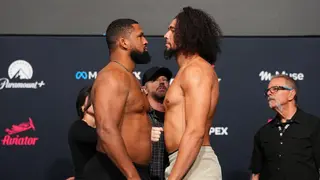
The UFC returned to Las Vegas with a heavyweight main event featuring Cortes Acosta against Walker, setting the stage for a high-stakes showdown. The undercard included a welterweight bout between South Korea’s Seokhyeon Ko and Brazil’s Wellington Turman, both seeking momentum after recent setbacks. Ko looks to rebound from a loss to a rising prospect, while Turman aims to reestablish his place in the UFC roster after a lengthy absence.
At UFC Fight Night in Las Vegas, South Korea’s Seokhyeon Ko (13-3) faced Brazil’s Wellington Turman (18-8) in a welterweight bout that served as a pivotal moment for both fighters. Ko, who recently suffered a decision loss to rising prospect Jean-Paul Lebosnoyani, entered the fight seeking redemption after two consecutive wins in his first two UFC appearances. Turman, returning from a three-year absence due to injury or personal reasons, was fighting to reclaim his place on the UFC roster following three straight losses and no victories since 2022. The bout took place as part of an undercard that preceded the main event heavyweight clash between Cortes Acosta and Walker. Neither fighter’s outcome was confirmed in the provided text, leaving their immediate futures uncertain.
Ko’s recent performance against Lebosnoyani highlighted the competitive depth at welterweight, where emerging talent is challenging established names. Turman, once a consistent presence in the division, now faces an uphill battle to prove he still belongs among the top contenders. The UFC organization, as the primary stakeholder, has a vested interest in maintaining roster depth and relevance, particularly in high-profile weight classes like welterweight. Both fighters are motivated by personal stakes—Ko aiming for momentum and Turman fighting for survival in the promotion—but the outcome remains unknown. What is not yet known includes whether either fighter will receive a title shot or remain on the roster after this bout.
This welterweight matchup could signal broader shifts in the UFC’s talent development strategy, particularly regarding fighters returning from extended absences or setbacks. Turman’s long layoff and recent losing streak may reflect the league’s increasing pressure to deliver consistent performances, potentially affecting how it evaluates veteran fighters versus emerging prospects. Ko’s attempt to rebound after a loss underscores the precarious nature of short-term success in elite combat sports, where one defeat can derail momentum. A comparable case is that of former champion Tyron Woodley, whose post-peak career saw diminishing opportunities despite past achievements—highlighting how quickly relevance can erode in high-stakes environments. The outcome may influence future matchmaking decisions and fan engagement, especially among international audiences in South Korea and Brazil, where both fighters have support bases. If Ko wins, he could become a more prominent figure in the Asian market; if Turman triumphs, it might reignite interest in his comeback narrative. The event’s impact on betting markets and streaming viewership remains to be seen, but such undercard bouts often serve as bellwethers for deeper roster trends. What to watch for next is whether the UFC will prioritize resilience over recent form when making future selections—could this bout mark a turning point in how the organization values experience versus current performance?