SpaceXAI Announces Massive 6GW Data Center Project in Arizona
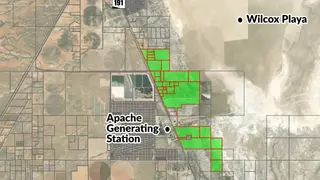
SpaceXAI has announced plans to build a high-capacity data center in Cochise County, Arizona, with an estimated 6 gigawatts of power capacity. The facility is expected to support advanced AI workloads and could begin construction as early as March 2027. This project underscores growing demand for energy-intensive infrastructure to power next-generation artificial intelligence systems.
SpaceXAI has revealed plans to construct a data center in Cochise County, Arizona, with an estimated power capacity of 6 gigawatts—enough to potentially support thousands of high-performance computing systems required for advanced artificial intelligence development. The facility is expected to begin construction as early as March 2027, marking a significant investment in infrastructure tailored to the energy demands of next-generation AI models. This announcement highlights the increasing need for massive, dedicated power sources to sustain the computational workloads that define modern AI research and deployment.
The project emerges amid rising industry-wide demand for scalable, high-efficiency data centers capable of handling complex machine learning tasks. As AI systems grow in size and complexity, so too does their reliance on specialized hardware and consistent, large-scale energy supply. The choice of Cochise County suggests a strategic location with access to renewable energy potential and available land, though details about power sourcing remain unspecified. SpaceXAI’s move reflects broader trends in tech infrastructure expansion, particularly within regions offering favorable regulatory environments and energy availability.
The primary actor, SpaceXAI, is likely seeking to secure a competitive edge in AI innovation by controlling its own computational backbone. This initiative may also signal the company’s intent to expand beyond aerospace into foundational AI infrastructure. However, the project’s environmental impact, grid integration challenges, and long-term sustainability remain unaddressed in the available information. What is not yet known includes whether the power will be sourced from renewables or fossil fuels, how local communities will be affected, and what regulatory approvals are still pending.
The proposed 6GW data center could significantly influence regional energy markets and infrastructure planning in Arizona, particularly in Cochise County, where such a large-scale project may strain existing grid capacity. If powered by renewable sources, it might accelerate clean energy adoption; if reliant on fossil fuels, it could intensify environmental concerns around carbon emissions from AI infrastructure. The scale of this facility places it among the largest data centers globally, comparable to projects like Amazon’s or Microsoft’s massive facilities in the Pacific Northwest—though with a focus on AI-specific workloads rather than general cloud services. Such developments may prompt broader societal questions about energy equity, as large tech firms increasingly compete for finite power resources. Communities near these sites could face changes in local economies, job markets, and environmental conditions. The project also reflects a growing trend where AI development is becoming as infrastructure-intensive as traditional industries, potentially reshaping how governments regulate technology and energy use. What to watch for includes the eventual power source, regulatory approvals, and whether similar projects follow in other states—indicating whether this marks a new phase in AI’s physical footprint.