Apple may integrate AI chatbots into HomeView via new iOS beta
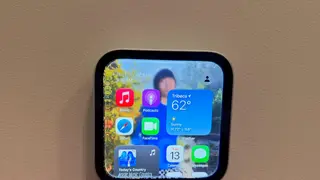
Code in the iOS 27.3 beta reveals a 'Conversational Apps' flag, suggesting Apple could soon allow AI chatbots like ChatGPT and Claude to interact with its smart home hub. The update also includes anti-spoofing measures and enhanced authentication protocols, though no official rollout has been confirmed.
Code discovered in the iOS 27.3 beta has revealed a new "Conversational Apps" flag, suggesting Apple may soon enable AI chatbots such as ChatGPT and Claude to interact directly with its HomeView smart home interface. This development, first noted by researcher pdfu on X, indicates a potential shift toward integrating third-party AI assistants into Apple’s ecosystem, allowing users to control smart devices through natural language conversations. The update also includes anti-spoofing measures that require users to authenticate via an iPhone after three failed attempts, with progressively longer lockout periods—starting at one hour and increasing to eight for the fourth failure. These security enhancements suggest Apple is preparing for more sensitive interactions involving AI agents in private homes. However, Apple has not officially confirmed any of these features, nor has it announced a timeline for rollout. The current state of the beta indicates that bidirectional audio routing and session management are present but still incomplete.
The move aligns with broader industry trends toward conversational interfaces in smart home systems, following earlier efforts by Amazon and Google to embed AI assistants into their platforms. Apple’s cautious approach—evident in its selective integration of third-party services—may reflect concerns over user privacy and control. The inclusion of robust authentication protocols hints at Apple’s intent to prioritize security as it expands AI functionality. While ChatGPT and Claude are named as likely candidates, no official partnerships have been confirmed. What remains unknown is whether Apple will allow direct access to HomeView or require a separate app layer, and how deeply these chatbots could integrate with home automation routines.
If implemented, the integration of AI chatbots into HomeView could significantly alter how users interact with their smart homes, shifting from app-based controls to more natural, voice-driven conversations. This may improve accessibility for elderly or disabled users but also raises concerns about data privacy and surveillance, especially if third-party AI providers gain access to sensitive home data. The anti-spoofing measures suggest Apple is aware of these risks and attempting to balance convenience with security. A comparable precedent is Google’s integration of its Assistant into Nest devices, which faced scrutiny over data collection practices. Apple’s approach—emphasizing on-device processing and authentication—could set a new standard for privacy-focused AI in home ecosystems. However, the success of such features will depend on user trust, which may be tested if bots make errors or misinterpret commands. The next phase to watch is whether Apple allows third-party developers to build full conversational apps or maintains tight control over the ecosystem.