Sanders Addresses Controversial Pre-Game Comments After Overtime Defeat
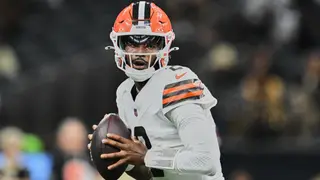
Shedeur Sanders, starting for the Cleveland Browns in place of Deshaun Watson, led a dramatic 23-22 overtime loss to the New Orleans Saints. He denied intentionally disrespecting the Saints defense in prior remarks, offering an apology if his words were misinterpreted. Despite a shaky first half, Sanders delivered key plays in the second half, including a go-ahead touchdown and a crucial pass under pressure.
On November 8, 2026, Shedeur Sanders made his first NFL start of the season for the Cleveland Browns in place of Deshaun Watson, who was sidelined due to concussion protocol. The Browns fell 23-22 in overtime to the New Orleans Saints, a game marked by dramatic swings and high-stakes moments. Sanders completed 19-of-31 passes for 297 yards, two touchdowns, and no interceptions, delivering key plays including a 64-yard go-ahead touchdown pass to KC Concepcion in the fourth quarter and a critical throw under duress to Jerry Jeudy that set up Andre Szmyt’s game-tying field goal. Despite a shaky first half—where he managed just 38 yards and a misdirected handoff on 4th-and-goal—Sanders improved significantly in the second half, including a deep catch by Denzel Boston that set up a go-ahead field goal. His postgame comments addressed controversy over prior remarks where he appeared to downplay the Saints’ defense; Sanders denied any intent to disrespect them, offering an apology if his words were misinterpreted. The Browns’ decision to start Sanders came after a competitive battle for the starting role during training camp, with Watson having posted a 65.5% completion rate and a 5-3 record through eight games before injury. Sanders, a fifth-round pick in 2025, has shown flashes of promise in his rookie season and this start may influence future roster decisions.
The story reflects broader societal conversations around athlete accountability, public perception, and the pressure to perform under scrutiny. Sanders’ apology—offered not for wrongdoing but for perceived tone—highlights how social media amplifies minor remarks into controversies, especially when tied to high-stakes games. The Browns’ decision to start a backup quarterback midseason could signal a shift in team strategy, potentially reshaping fan expectations and media narratives around player development. Comparable cases include Cam Newton’s 2018 suspension over locker room comments or Tom Brady’s early-career controversies, where public image influenced team dynamics. In this case, Sanders’ performance may affect his long-term standing with the organization and future contract negotiations. The outcome could also impact how teams manage quarterback depth, especially when injuries disrupt continuity. What remains unresolved is whether this start will be a temporary measure or a sign of a longer-term transition. Fans, analysts, and front offices alike will be watching closely to see if Sanders can maintain consistency in high-pressure situations, and whether the Browns’ management views him as a viable long-term solution or merely a stopgap.