Surf Internet launches broadband service in Delaware County, Indiana
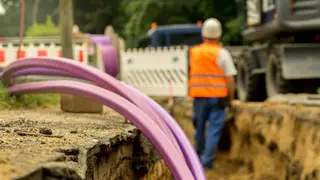
Surf Internet has officially launched its broadband services in Delaware County, Indiana, marking a new phase in its regional expansion. The rollout is part of a broader buildout that also includes upgrades in Bend, Oregon, and expansions in Milbridge, Maine. The company secured a USDA grant to support infrastructure development in Dickenson County, Virginia.
Surf Internet has launched broadband services in Delaware County, Indiana, marking a significant milestone in its regional expansion strategy. This rollout is part of a broader infrastructure buildout that includes upgrades in Bend, Oregon, and new service expansions in Milbridge, Maine. The company’s entry into Delaware County signifies its growing presence across multiple states, targeting underserved or rural areas where high-speed internet access has historically been limited. While specific launch dates or technical details such as speed tiers are not included in the available information, the deployment is supported by a USDA grant secured for infrastructure development in Dickenson County, Virginia—indicating federal funding is playing a role in enabling expansion into less densely populated regions.
The initiative reflects a strategic move by Surf Internet to expand its footprint beyond existing markets, likely driven by demand for reliable internet access and opportunities presented by government programs aimed at closing the digital divide. The involvement of the USDA suggests that public investment is being leveraged to support private sector deployment in rural areas, a model that has been used in other broadband expansion efforts across the U.S. The company’s focus on multiple states implies a coordinated national rollout rather than isolated projects.
What remains unclear is the timeline for full service availability in Delaware County, whether existing customers are being migrated or new ones added, and how Surf Internet plans to maintain service quality as it scales. Additionally, the extent of the impact from the USDA grant in Dickenson County on the broader buildout is not specified. Future developments may include further expansions into other rural communities or updates on performance metrics.
The launch of Surf Internet’s broadband service in Delaware County could improve digital access for residents and small businesses in a region where connectivity has often lagged behind urban centers. Rural communities across Indiana and similar states may benefit from increased competition, potentially driving down prices and improving service quality. This expansion aligns with broader national efforts to bridge the digital divide, particularly through federal programs like USDA grants that subsidize infrastructure in underserved areas. A comparable precedent is the FCC’s Connect America Fund, which similarly incentivized private providers to extend broadband to remote regions. If Surf Internet’s model proves sustainable, it may encourage other regional ISPs to follow suit, reshaping the competitive landscape in rural broadband markets. However, long-term success depends on consistent investment and regulatory support. What remains uncertain is whether this rollout will be scalable across other counties or if it will face challenges related to terrain, population density, or maintenance costs. Observers should watch for customer adoption rates, service reliability reports, and future funding announcements.