Serbian Police Commander Arrested in Connection with Torture Allegations During 2025 Protests
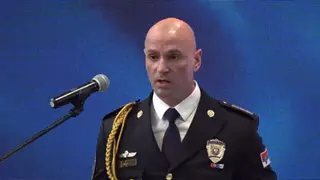
Igor Zmiric, commander of Serbia’s Special Anti-Terrorist Unit, was remanded in custody over allegations of abuse and torture during a crackdown on anti-government protesters in August 2025. Nine current and former unit members face charges for allegedly inflicting violence on detainees in a government building garage. One protester claimed she was threatened with rape, while others reported prolonged detention and mistreatment.
In August 2025, during a wave of anti-government protests in Belgrade, at least 15 individuals—including student activists—were detained in the garage beneath Serbia’s government building between 10:30 p.m. on August 14 and 1 a.m. the following day. Nine current and former members of the Special Anti-Terrorist Unit (JZO), including its commander Igor Zmiric, were remanded in custody in November 2026 on charges of abuse and torture, with allegations including physical violence, threats of rape and death, and destruction of personal belongings. One protester, student Nikolina Sindjelic, claimed she was threatened with sexual assault by then-unit chief Marko Kricak during her detention. The suspects, arrested earlier in the week, face accusations of jointly inflicting suffering to extract information or punish dissent. The court cited risks of witness tampering and public concern as reasons for pre-trial detention. While the Interior Ministry initially denied wrongdoing, it later promised an internal investigation into Sindjelic’s allegations—though it remains unclear whether this probe was completed. Kricak, now in custody on unrelated murder charges, had previously faced criticism over his conduct during protests. The case is linked to broader scrutiny of police conduct during 2025 demonstrations, with rights groups like Amnesty International and Civil Rights Defenders warning that the alleged actions may constitute torture under international law.
The arrest of a high-ranking police commander and multiple unit members marks a rare moment of accountability in Serbia’s recent political climate, where security forces have often operated with impunity. If proven, the allegations could significantly impact public trust in state institutions, particularly among youth and civil society groups who have been central to anti-government movements. The case may also influence upcoming 2026 elections, as it underscores growing scrutiny of President Vucic’s administration and its security apparatus. Comparable cases, such as the 2018 protests in Hungary or the 2013 Gezi Park crackdown in Turkey, saw similar patterns of state violence met with delayed or ineffective justice—this case could signal a shift if proceedings remain transparent. However, the outcome may depend on judicial independence and whether political interference undermines the investigation. What remains uncertain is whether this case will lead to systemic reform or be treated as an isolated incident. The public’s reaction, especially among protest communities and human rights advocates, will likely shape future expectations for accountability in Serbia.