Ukraine Enacts Law to Combat Foreign Bribery Ahead of OECD Accession
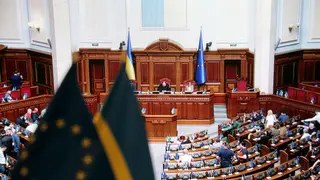
On November 10, 2026, Ukraine’s parliament passed a bill increasing penalties for bribing foreign public officials in international business deals. The legislation is a key step toward Ukraine’s accession to the OECD Convention on Combating Bribery of Foreign Public Officials. It aims to strengthen accountability and align Ukrainian law with international anti-corruption standards as part of EU accession efforts.
On November 10, 2026, Ukraine’s parliament, the Verkhovna Rada, passed a new bill significantly increasing penalties for bribing foreign public officials in international business deals. The legislation, initiated by President Volodymyr Zelensky, is a direct response to Ukraine’s ongoing efforts to meet international anti-corruption standards required for both OECD and European Union accession. Specifically, the law targets cases where bribes are offered or accepted to secure contracts or gain unfair advantages in cross-border transactions. The move aligns Ukraine with the OECD Convention on Combating Bribery of Foreign Public Officials in International Business Transactions, a key benchmark for transparency in global commerce. According to Serhii Ionushas, head of the parliamentary law enforcement committee, the bill aims to close legislative gaps and strengthen accountability mechanisms within Ukraine’s criminal and criminal procedure frameworks. The President’s Office Head, Kyrylo Budanov, emphasized that this step reinforces trust with international partners and fulfills commitments made during EU accession negotiations.
The background to this legislation includes years of reform pressure from Western institutions, particularly the European Union, which has repeatedly linked progress on anti-corruption measures to advancement in membership talks. Earlier reports had highlighted delays in passing related laws, such as anti-money laundering reforms necessary for access to European payment systems. This new bill represents a concrete legislative milestone in Ukraine’s broader fight against systemic corruption. The key actors involved are the Ukrainian government, led by President Zelensky and his administration, the Verkhovna Rada, and international bodies like the OECD and EU, all of which have vested interests in ensuring transparency and rule of law. What remains unresolved is whether the law will be effectively enforced, especially given past challenges with judicial independence and political interference. The next step likely involves implementation monitoring by international observers and potential follow-up reforms to ensure compliance.
This legislative move could strengthen Ukraine’s credibility among international investors and financial institutions by signaling a serious commitment to anti-corruption standards. Businesses operating in or with Ukraine may benefit from greater predictability in procurement and contract award processes, potentially attracting more foreign direct investment. However, the real impact hinges on enforcement—without independent oversight and effective prosecution, the law may remain symbolic. The European Union’s accession process remains sensitive to such reforms, meaning this step could influence future negotiation phases. A comparable precedent is Georgia’s 2010 anti-corruption overhaul, which initially improved rankings but faced setbacks due to political resistance. Ukraine may face similar challenges if reform momentum wanes. What to watch for next includes whether the judiciary and law enforcement agencies can apply the new penalties consistently, especially in high-profile cases involving powerful actors. The effectiveness of civil society monitoring and media scrutiny will also be critical indicators of progress.