VidsSave Enables Browser-Based Download of Facebook Videos and Reels
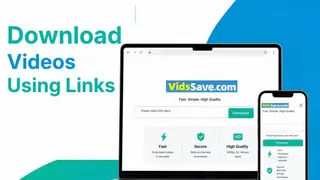
VidsSave is a web-based tool that allows users to download public Facebook videos and Reels directly in their browser without installing an app. Users simply paste the video link into the platform and select from available resolution options, including up to 1080p HD quality.
In November 2026, VidsSave emerged as a browser-based tool enabling users to download public Facebook videos and Reels directly without installing an app or creating an account. The service allows users to copy a video link from Facebook—whether on mobile or desktop—and paste it into the VidsSave platform, where available resolutions are displayed, including up to 1080p HD quality depending on the original upload. This functionality addresses a long-standing user need: while Facebook offers limited saving features, they do not always provide access to the actual video file, especially for offline use or personal archiving. VidsSave’s approach aligns with broader trends in online content consumption, where users seek greater control over media they encounter on social platforms. The tool is part of a larger suite that includes support for YouTube, indicating a strategic focus on cross-platform accessibility. The service operates without requiring user authentication, emphasizing ease of use and privacy. However, it only works with public videos; private or restricted content remains inaccessible through this method. Meta’s own policies and the Meta Accounts Center are noted as alternative avenues for users seeking to manage their own content. The tool’s effectiveness depends on Facebook’s public availability of video links, which may change if platform restrictions evolve.
VidsSave’s rise reflects growing user demand for control over digital content in an era dominated by algorithm-driven social media. As platforms like Facebook prioritize engagement through short-form video, users increasingly seek ways to preserve or repurpose content they find valuable—whether for education, reference, or personal use. This trend echoes earlier cases such as the widespread adoption of tools like SaveFrom.net for YouTube, which similarly enabled offline access and sparked debates over copyright and platform policy enforcement. While VidsSave operates within public content boundaries, its success could pressure social media companies to reconsider how they balance accessibility with intellectual property protection. If widely adopted, such tools may influence user behavior, encouraging more deliberate consumption and archiving habits. However, the long-term impact remains uncertain: Facebook may tighten link-sharing policies or introduce technical barriers to prevent third-party scraping. The broader ecosystem of content creators, educators, and digital rights advocates may also respond—some supporting greater access, others warning of misuse. What’s next could include platform-level responses, regulatory scrutiny over data harvesting, or the emergence of more sophisticated tools with enhanced features.