Vivo Preparing to Launch First Gimbal Camera Under 'Pocket' Brand
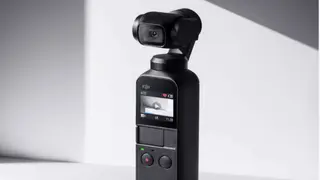
Vivo has filed a trademark for a product named 'Pocket' in categories including gimbal cameras, digital cameras, and thermal imaging devices. The company is entering the popular gimbal camera market, likely targeting content creators and vloggers, with the device expected to launch soon after its September 2026 USPTO filing.
Vivo has filed a trademark application for a product named "Pocket" with the United States Patent and Trademark Office (USPTO) on September 22, 2026, covering categories such as gimbal cameras, digital cameras, cinematography equipment, and thermal imaging devices. This move signals Vivo’s formal entry into the handheld gimbal camera market, a space dominated by brands like DJI with its Osmo Pocket series. The filing, submitted under Vivo Mobile Communication Co Ltd, suggests the company is preparing to launch a device under the "Pocket" brand, likely targeting content creators and vloggers who value compact, stabilized video capture. While Vivo has previously shown interest in this space without launching a product, the new trademark application indicates a renewed strategic push. The company’s strong reputation in smartphone photography—evidenced by its ZEISS-co-engineered camera systems on the upcoming X500 series—positions it well to leverage existing expertise in image stabilization and low-light performance for a standalone camera device.
The Vivo X500 series, already launched in China with three variants, is set to debut globally, including India, by late November or early December 2026, potentially serving as a launch platform to build momentum for the Pocket. However, it remains unclear whether the Pocket will be sold independently or bundled with the X500 lineup. The exact specifications, pricing, and release timeline for the Pocket are still unknown. What is not yet known includes Vivo’s hardware partnerships, software integration (such as AI-based stabilization or editing tools), and how it plans to differentiate itself from established competitors like DJI. Whether the device will support thermal imaging beyond basic video capture also remains unconfirmed.
The potential launch of the Vivo Pocket could influence the consumer camera market by introducing a new player with strong brand credibility in mobile imaging, possibly reshaping expectations around compact, high-quality video capture. If successful, it may pressure existing brands to innovate further in software integration, battery life, or price positioning. Content creators—especially those on platforms like YouTube and Instagram—could benefit from more affordable or feature-rich options, potentially lowering the barrier to professional-grade content production. However, Vivo’s entry into a mature market dominated by DJI presents significant challenges; consumer trust in established brands is hard to displace without clear differentiation. A comparable precedent is GoPro’s early dominance in action cameras, which later faced disruption from smartphones with advanced stabilization—suggesting that even strong niche players can be challenged by broader ecosystem integration. What to watch for next includes Vivo’s marketing strategy, whether the Pocket will support cross-platform workflows, and how it performs in real-world testing. The outcome may depend not just on hardware but on how well Vivo integrates its device into existing creator ecosystems.