SaveFromIns Offers Browser-Based Tool for Downloading Public Instagram Content
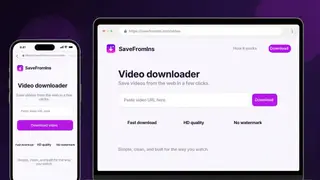
SaveFromIns is a browser-based service that enables users to download public Instagram content, including Reels, videos, photos, Stories, highlights, and carousels. The tool requires only the post link to be pasted into the site, supporting direct downloads on both mobile and desktop devices without app installation.
In November 2026, SaveFromIns emerged as a browser-based tool enabling users to download public Instagram content—including Reels, videos, photos, Stories, highlights, and carousels—by simply pasting a post’s URL into the site. The service operates without requiring app installation, supporting both mobile and desktop access through standard web browsers. This functionality aligns with earlier tools like SnapInsta and FastDL, which have similarly allowed users to extract publicly available content from Instagram. The process is straightforward: copy the link from Instagram, navigate to SaveFromIns, paste it, and select the download option. The tool’s interface distinguishes between different content types, offering dedicated pathways for carousels—ideal for multi-image or video posts—and Reels, which are increasingly central to Instagram’s user engagement strategy. While the article notes that users must have rights or permission to save content, it also highlights Instagram’s own export feature via Meta Accounts Center as an official alternative for personal data access. The service is not tied to any specific geographic region but operates globally, relying on public content visibility.
The broader context includes growing user demand for offline access to digital media and the increasing role of third-party tools in circumventing platform restrictions. SaveFromIns does not claim to support private accounts or failed links, emphasizing compliance with Instagram’s public content policy. The article references Meta’s own data export mechanisms as a sanctioned method for users to retrieve their own information, suggesting a tension between user convenience and platform control. No mention is made of legal challenges, platform takedowns, or changes in Instagram’s API policies that might affect such tools. What remains unresolved is whether SaveFromIns will face enforcement actions from Meta, how long it can operate without disruption, or whether similar services will emerge with enhanced features. The absence of user data collection details or privacy policy references in the article also leaves questions about data handling practices.
The rise of browser-based tools like SaveFromIns reflects a broader societal trend toward user empowerment and content ownership in digital spaces, where individuals seek greater control over media they encounter online. While such tools may benefit users wanting to preserve public content for personal use—such as educational material, creative inspiration, or offline viewing—their proliferation raises concerns about copyright compliance, platform integrity, and the potential for misuse. If widely adopted, these services could undermine Instagram’s content distribution model by enabling easy replication of Reels and videos, potentially affecting creators’ monetization strategies and platform engagement metrics. A comparable precedent is the earlier wave of YouTube video downloaders in the mid-2010s, which sparked legal disputes and prompted tighter API restrictions. SaveFromIns may face similar regulatory or technical pushback from Meta if it is perceived as enabling unauthorized distribution. The long-term impact could depend on whether Instagram updates its policies to better accommodate legitimate user needs while curbing abuse. What to watch for includes shifts in platform APIs, changes in content visibility settings, and possible new regulations around digital content extraction.