Archaeological Discovery at Dachau Reveals SS Dog Kennels and Human Remains Near Crematorium
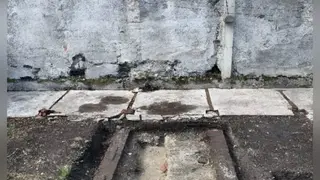
Excavations near the crematorium at the former Dachau concentration camp have uncovered the remains of dog kennels used by the SS during World War II, corroborating survivor testimonies about the use of guard dogs. The site also yielded possible human remains, adding to the historical record of atrocities committed there. The findings provide physical evidence supporting documented accounts from former inmates.
Excavations conducted near the crematorium at the former Dachau concentration camp have uncovered physical evidence of SS dog kennels used during World War II, confirming survivor testimonies about the deployment of guard dogs to patrol the camp’s perimeter. The discovery was made in the immediate vicinity of the crematorium, a site already historically significant due to its role in the mass killing and disposal of prisoners. Alongside the kennel remains, archaeologists identified possible human remains, though their exact nature and origin remain under investigation. These findings provide tangible, on-site corroboration of documented accounts from former inmates who described the presence of dogs used to intimidate and attack prisoners. The site’s location within the Dachau Memorial Site, a preserved historical monument, underscores its importance in preserving the memory of Nazi atrocities.
The excavation follows years of research and advocacy by historians and memorial site staff seeking to verify oral histories through material evidence. Survivor testimonies have long described the psychological terror inflicted by guard dogs, but physical proof has been scarce due to the destruction of many camp structures during and after the war. The discovery at Dachau adds a new layer of empirical validation to these accounts, reinforcing their credibility in historical scholarship and public education. The German government, through the Dachau Memorial Foundation and affiliated archaeological teams, is leading the effort, with the goal of deepening understanding of the camp’s operations and honoring victims. What remains unresolved is the precise identification of the human remains and whether they are linked to specific incidents or mass burials. Further analysis and forensic examination are expected in the coming months.
The discovery at Dachau could strengthen public trust in survivor testimonies, particularly in an era where historical narratives are increasingly contested. By providing physical evidence that aligns with long-standing accounts, it may help counteract denialism and reinforce educational efforts in schools and museums. The findings may also influence how memorial sites worldwide approach the preservation of traumatic histories—emphasizing material archaeology as a complement to oral history. Comparable to the 2019 excavation at Auschwitz-Birkenau that uncovered personal belongings, this discovery could shift public engagement toward more visceral, tangible connections with the past. Institutions responsible for Holocaust remembrance may use the findings to update exhibitions or develop new educational programs. What remains to be seen is how the German government and international bodies will integrate these results into broader historical frameworks, and whether similar excavations at other sites will follow.