John Thune Re-elected Republican Leader Amid Post-Midterm Leadership Debate
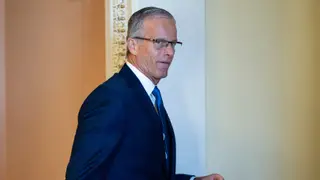
Senator John Thune of South Dakota was re-elected as Republican leader in the Senate despite calls from some colleagues to delay leadership elections after the party’s midterm losses. Thune, who will now lead Republicans during their time in the minority, emphasized learning from voters’ messages and maintaining unity. A group of five senators, led by Ron Johnson of Wisconsin, pushed for a more open process, but no challenger emerged, and Thune secured his position without opposition.
On November 10, 2026, Senator John Thune of South Dakota was re-elected as Republican leader in the Senate without opposition, securing his position despite a brief but notable push to delay the leadership vote following the GOP’s midterm losses. The party lost at least seven seats in the elections, resulting in Democrats gaining control of both chambers and forcing Republicans into the minority for the first time since 2017. Thune, who had served as Senate Majority Leader during the previous Congress, will now lead the Republican conference through a period of opposition. The leadership election was delayed by several hours after a group of five senators—led by Ron Johnson of Wisconsin—called for a more open process, arguing that rushing to elect leaders without contest undermined accountability and unity. Despite this internal dissent, no challenger emerged, and Thune’s re-election proceeded via voice vote. Other key leadership roles were also confirmed: Whip John Barrasso was re-elected, Tom Cotton retained chairmanship of the Senate Republican Conference, James Lankford became vice chair, and Shelley Moore Capito was reappointed as Republican Policy Committee chair. Bernie Moreno of Ohio was chosen to lead the National Republican Senatorial Committee, tasked with shaping 2028 campaign strategy. The GOP also passed a resolution outlining its lame-duck agenda, including confirming all presidential nominees, advancing key legislation like the permitting bill and National Defense Authorization Act, balancing the budget, and pushing for the SAVE America Act. While Thune defended his leadership record—citing accomplishments despite narrow margins and Democratic obstruction—some senators, including Rand Paul and Rick Scott, argued that voter dissatisfaction stemmed from broader national issues like gas prices and foreign policy, not internal party leadership.
The re-election of John Thune as Republican leader amid post-midterm turmoil could signal a strategic shift toward consolidation rather than upheaval within the GOP, potentially affecting how the party rebuilds its messaging and legislative strategy ahead of 2028. With Democrats now holding majorities in both chambers and President Trump nearing the end of his term, Thune’s leadership may focus on maximizing influence during the final 54 days of Republican control—particularly through confirmations and legislative efforts like reconciliation. This could impact federal appointments, judicial nominations, and long-term policy debates. The lack of a challenger, despite internal criticism, suggests that while some senators want reform, there remains strong institutional loyalty to continuity. A comparable precedent is the 2010 post-election leadership transition, when Republicans also faced losses but maintained cohesion under Mitch McConnell. However, unlike then, today’s GOP faces deeper ideological fractures and heightened pressure from grassroots activists. The outcome may influence how party donors and media outlets perceive the Senate Republican Conference’s direction—potentially affecting fundraising and messaging. What remains uncertain is whether this unity will hold through the next two years, especially as internal debates over policy focus and electoral strategy intensify. Watch for signs of dissent during the lame-duck session or shifts in leadership dynamics if Thune fails to deliver on promised reforms.