Data Centers Move to Remote Locations Amid Rising Power and Permitting Challenges
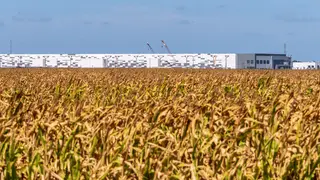
As urban areas face increasing constraints on power availability, land use, and regulatory approval, data center developers are increasingly turning to rural regions for new projects. This shift reflects a broader trend toward decentralizing infrastructure to meet growing demand for computing capacity. The move to remote sites is expected to shape the future of data center expansion over the next decade.
In November 2026, a notable shift in data center site selection emerged, with two-thirds of new U.S. data center projects targeting rural locations—a marked departure from historical trends favoring urban hubs like Northern Virginia, Texas, and California. This trend is not confined to the United States; hyperscalers are also exploring remote regions in South America for future facilities. The move is driven by mounting constraints in cities, including limited land availability, escalating power demands, and increasingly stringent permitting processes. While rural areas often lack robust fiber infrastructure and are farther from end users—raising latency concerns—they offer abundant land and lower development costs. According to Christopher Tozzi, a technology analyst, the shift reflects a strategic recalibration by developers responding to urban limitations. Key players include major tech firms and infrastructure providers such as ZTE, which is investing in energy-efficient solutions for AI data centers (AIDC), and government initiatives like the Investment Tax Credit, which may influence bidding outcomes for new projects. The underlying motivation is clear: meet surging demand for computing capacity driven by artificial intelligence, particularly from enterprise and hyperscale AI deployments. However, unresolved challenges remain, including the high cost and difficulty of extending fiber networks to remote sites and ensuring reliable power supply in areas with underdeveloped grids. It remains unclear how long this rural trend will persist or whether hybrid models—combining urban density with remote expansion—will emerge as a dominant strategy.
This shift toward rural data centers could reshape regional economic development, potentially revitalizing underserved communities through job creation and infrastructure investment, though benefits may be unevenly distributed. Rural areas may see increased tax revenues and local employment, but they also face risks such as strain on limited utilities, environmental impacts from energy-intensive operations, and potential displacement of agricultural or natural land uses. The broader tech industry may experience reduced urban congestion in data center real estate markets, but this could deepen digital divides if rural connectivity lags behind. A comparable precedent is the 2010s migration of data centers to regions like Iowa and Oregon, where low electricity costs and favorable regulations attracted early adopters—though those moves were largely driven by energy economics rather than urban constraints. Today’s shift may be more complex, involving not just cost but regulatory and environmental pressures. What remains uncertain is whether rural sites can scale sustainably without significant public investment in grid modernization or long-term policy frameworks to manage land use and environmental impact. The next decade will likely reveal whether this trend is a temporary adaptation or a foundational realignment of digital infrastructure planning.