Iran Condemns US $20 Million Reward for Nuclear Program Information
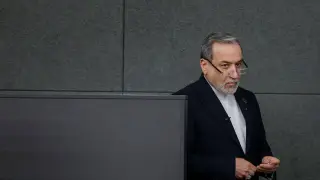
Iran's Foreign Minister Abbas Araghchi denounced the United States' $20 million reward for information on its nuclear program as 'repugnant and regrettable,' urging the UN Security Council and IAEA to condemn the move. The announcement followed a US military statement offering rewards and possible relocation for details on nuclear facilities, equipment, and personnel. Iran maintains its nuclear program is peaceful and has blocked IAEA inspectors since the war began in February 2026 after US-Israeli strikes killed Supreme Leader Ali Khamenei.
On February 28, 2026, a major escalation occurred when U.S.-Israeli strikes killed Iran’s Supreme Leader Ali Khamenei, triggering a full-scale war between Iran and the United States. In response to this conflict, Iran has since blocked International Atomic Energy Agency (IAEA) inspectors from accessing key nuclear sites including Fordow, Natanz, and Isfahan. This move followed renewed U.S.-Israeli military strikes on Iranian nuclear facilities during the war’s most intense phase, though the extent of the damage remains unclear. In a direct escalation, the U.S. military announced last Friday that it would offer up to $20 million and possible relocation for information on Iran’s nuclear program, specifically targeting its facilities, equipment, and personnel. Iran’s Foreign Minister Abbas Araghchi condemned the reward as “repugnant and regrettable,” urging the UN Security Council and IAEA Director General to formally denounce the move. He reiterated Iran’s long-standing claim that its nuclear program is peaceful and insists that any negotiations on the issue will occur only after broader conflict resolution. The current crisis builds on a history of tension, including the 2018 U.S. withdrawal from the Obama-era nuclear deal, which had aimed to limit Iran’s nuclear capabilities in exchange for sanctions relief. Diplomatic efforts, led by Qatar and Pakistan, are ongoing to end the war, with Tehran demanding the lifting of sanctions and unfreezing of assets in return for reopening the Strait of Hormuz, which it has blockaded since the conflict began.
The U.S. reward offer could further entrench Iran’s narrative of foreign aggression and justify its isolationist stance, potentially undermining international non-proliferation efforts by framing intelligence operations as acts of war rather than diplomacy. If the IAEA remains unable to conduct inspections, global confidence in Iran’s compliance with nuclear norms may erode, possibly prompting regional powers like Israel or Saudi Arabia to reconsider their own nuclear ambitions. The move also risks escalating covert operations, increasing the likelihood of targeted assassinations or sabotage, which could destabilize the Middle East further. A comparable precedent exists in the 2003 U.S. reward program for information on Iraq’s alleged weapons of mass destruction—though that effort was later discredited and contributed to widespread skepticism about intelligence-driven foreign policy. In this case, the absence of verifiable evidence makes the current reward particularly sensitive. What may follow includes intensified diplomatic pressure on the UN Security Council to respond, possible retaliatory measures from Iran against U.S. interests, or even a shift in regional alliances as states assess risk and alignment. The outcome could shape the future of nuclear diplomacy in conflict zones, especially if similar incentives are used elsewhere.