US diplomats to hold separate meetings with Putin and Zelenskyy following progress in Abu Dhabi talks
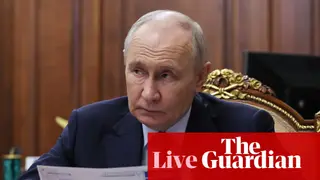
US negotiators are set to meet Russian President Vladimir Putin in Moscow and Ukrainian President Volodymyr Zelenskyy in Dublin after concluding peace talks in Abu Dhabi. Russian negotiator Vladimir Medinsky confirmed that both sides had reached mutual understanding on key issues, including a large-scale prisoner exchange. Medinsky remained skeptical about European Union involvement, citing a lack of concrete proposals from EU representatives.
Following the conclusion of peace talks in Abu Dhabi, Russian negotiator Vladimir Medinsky confirmed that Russia and Ukraine had reached mutual understanding on key issues, most notably agreeing to a large-scale prisoner exchange. The specifics of the swap—such as the number of individuals involved or the timeline for implementation—were not disclosed in the report. These discussions took place amid ongoing diplomatic efforts to de-escalate the conflict, with U.S. diplomats scheduled to hold separate meetings with both Russian President Vladimir Putin in Moscow and Ukrainian President Volodymyr Zelenskyy in Dublin. The Abu Dhabi talks marked a rare instance of direct negotiation between the two warring parties, signaling a potential shift toward diplomatic resolution after years of military confrontation. Medinsky expressed skepticism about the European Union’s role, citing a lack of concrete proposals from EU representatives and questioning what substantive discussion could occur without them.
The background to these developments includes prior prisoner exchanges, which have been a recurring feature in the conflict, often used as confidence-building measures. However, this latest agreement appears more comprehensive, suggesting a deeper level of coordination between the two sides. The involvement of U.S. diplomats underscores the growing role of American mediation in European security affairs. While Russia and Ukraine appear to be advancing on specific humanitarian issues, broader political questions—such as territorial sovereignty, ceasefire terms, or long-term peace frameworks—remain unresolved. It is not yet known whether the upcoming bilateral meetings with U.S. envoys will address these larger issues or remain focused on implementation of the prisoner swap.
The progress in Abu Dhabi could signal a cautious thaw in hostilities, potentially easing humanitarian pressures and boosting diplomatic momentum. A large-scale prisoner exchange may improve public morale in both Russia and Ukraine, particularly among families of detainees, and could encourage further negotiations on related issues. However, the absence of EU proposals raises concerns about the inclusivity and sustainability of any emerging framework. The European Union’s limited role might weaken collective Western leverage, especially if future agreements are perceived as bilateral deals outside multilateral oversight. Historically, similar confidence-building measures during the Cold War—such as the 1985 U.S.-Soviet prisoner swap—were followed by broader diplomatic engagement, though not always leading to lasting peace. In this case, the outcome may depend on whether the U.S. can leverage these talks to build a more inclusive process. What to watch for next includes whether the Dublin and Moscow meetings yield concrete proposals beyond humanitarian measures, and how the EU responds to Russia’s skepticism—possibly by submitting formal initiatives. The trajectory could influence global perceptions of diplomacy as a viable alternative to prolonged conflict.