Ex-id Software Team Launches Employee-Owned Shooter Studio After Microsoft Layoffs
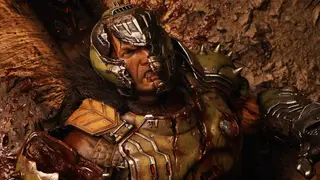
Approximately 20 former id Software developers have founded Hidden Horses, an employee-owned studio, following Microsoft’s recent mass layoffs. The team plans to launch a Kickstarter campaign to fund their first project, marking a new chapter in independent game development.
Approximately 20 former developers from id Software have formed Hidden Horses, an employee-owned video game studio, following Microsoft’s recent mass layoffs that affected several internal teams, including those at id Software. The new studio is currently preparing to launch a Kickstarter campaign to fund its first project, marking a significant shift toward independent development for a group with deep roots in the FPS genre, known for pioneering titles like Doom and Quake. While specific details about the game’s title, release timeline, or platform are not yet available, the team’s decision to go employee-owned underscores a growing trend of creator-led studios emerging after corporate restructuring. The move reflects broader industry instability, particularly in the wake of Microsoft’s acquisition of Activision Blizzard and subsequent workforce reductions across its gaming divisions.
The background leading to this development includes Microsoft’s strategic consolidation of game studios under its Xbox division, which has resulted in layoffs affecting hundreds of developers across multiple studios. These actions have sparked concern among industry professionals about long-term stability and creative autonomy within large corporate structures. The former id Software team, known for their technical innovation and emphasis on player-driven gameplay, appears to be seeking greater control over their creative output and business decisions through the employee-owned model. Their transition from a major corporate entity to an independent collective could signal a broader reevaluation of work models in game development, especially among veteran teams with strong reputations.
What remains unresolved is whether the Kickstarter campaign will meet its funding goals, how the studio will manage development without corporate backing, and what impact this shift may have on future industry hiring practices. It is also not yet known if other former Microsoft or Activision developers will follow suit. The success of Hidden Horses could inspire similar initiatives, but the outcome remains uncertain.
The formation of Hidden Horses may reflect a growing desire among veteran game developers to reclaim creative and financial control amid increasing corporate consolidation in the gaming industry. If successful, this employee-owned model could challenge the dominance of large publishers by demonstrating that high-quality games can emerge from decentralized, community-supported development. This shift may influence how talent perceives career paths—favoring autonomy over corporate stability—and could encourage more studios to adopt cooperative or collective ownership structures. A comparable precedent is the rise of indie studios like Supergiant Games or Devolver Digital, which built reputations on creative independence and direct audience engagement. However, Hidden Horses’ transition from a major studio to an employee-owned entity after layoffs adds a new dimension: it’s not just a startup but a response to corporate restructuring. The broader impact may be a reevaluation of how game development teams are structured and supported, particularly in the wake of high-profile layoffs. What to watch for next is whether this model gains traction among other displaced developers, potentially reshaping industry norms around ownership, funding, and long-term sustainability.