Kirk Cousins Returns to Vikings, Reunites with Coach Kevin O'Connell Ahead of Packers Game
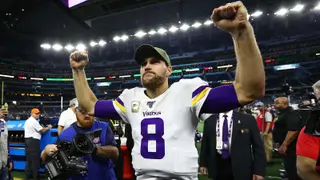
Kirk Cousins has returned to the Minnesota Vikings after a three-year absence, rejoining coach Kevin O'Connell, with whom he previously worked in Washington. The trade from the Las Vegas Raiders comes as the Vikings seek immediate quarterback stability following injuries to Kyler Murray and Carson Wentz. O'Connell emphasized Cousins’ familiarity with his system, noting that understanding both strengths and weaknesses enhances preparation.
Kirk Cousins has been traded from the Las Vegas Raiders to the Minnesota Vikings ahead of their Week 10 matchup against the Green Bay Packers, marking a dramatic return to the franchise where he spent seven seasons (2012–2021) and developed a close working relationship with head coach Kevin O’Connell. The trade, finalized on the NFL’s deadline day in November 2026, sent a 2027 third-round draft pick to Las Vegas in exchange for Cousins, who had been playing under offensive coordinator Klint Kubiak—himself a former Vikings quarterbacks coach and offensive coordinator (2019–2021). With starting quarterback Kyler Murray sidelined by a strained hamstring and Carson Wentz struggling after a disastrous 8-for-25, 81-yard, three-turnover performance against the Buffalo Bills, the Vikings sought immediate stability. Cousins currently ranks second in the league with 20 touchdown passes and fifth in passing yards (2,340), offering a proven, high-volume option. O’Connell emphasized that Cousins’ familiarity with his offensive system—developed during their time together in Washington in 2017 and later in Minnesota—gives the team an edge in preparation and execution. While O’Connell stopped short of confirming Cousins would start against the Packers, the move signals a clear shift toward experience over uncertainty.
The decision reflects broader organizational strategy: after initially pursuing a long-term quarterback solution via the draft in 2024, the Vikings had offered Cousins contract extensions but were unwilling to meet his financial demands. He instead signed with Atlanta for $100 million guaranteed, only to be released after two seasons when the Falcons drafted Michael Penix Jr. at No. 8 overall. His move to Las Vegas was driven by Kubiak’s hiring as head coach, creating a familiar environment. The Vikings’ front office, led by new general manager Nolan Teasley, stated that the trade was not solely reactive to Wentz’s poor outing but part of ongoing positional upgrades. What remains unresolved is whether Cousins will start or serve as a situational backup, and how his return impacts the team’s long-term quarterback planning. The Packers, meanwhile, are preparing for a rematch with a player who tore his Achilles in Lambeau Field just over three years prior.
The trade could signal a broader trend of teams prioritizing immediate performance over long-term development, especially when elite talent becomes available at a lower cost. Cousins’ return to Minnesota may influence how franchises evaluate veteran quarterbacks during the trade deadline—particularly those with known systems and chemistry. The Vikings’ decision to trade a future draft pick for a proven starter could encourage other NFC North teams to reassess their own quarterback depth, potentially reshaping the competitive balance in one of the NFL’s most tightly contested divisions. Comparable to the 2015 return of Peyton Manning to Denver, this move leverages familiarity and stability during a critical stretch of the season. However, it also raises questions about whether such transactions undermine developmental opportunities for younger players. The impact on fantasy football and betting markets may be immediate, with Cousins’ stock rising sharply. What remains to watch is how quickly he integrates into the offense and whether his presence alters the team’s playoff trajectory—especially if Murray or Wentz return mid-season.