Coachella 2027 Lineup Sparks Debate With Dua Lipa, SZA, and Kevin Parker Headlining Amid Sparse Rap Representation
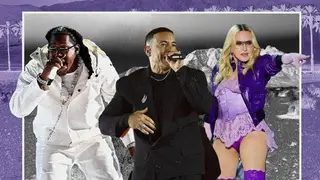
The 2027 Coachella lineup features Dua Lipa, SZA, and Kevin Parker as headliners, drawing criticism for their lack of recent major releases and perceived over-billing. Electronic acts dominate the undercard, with notable indie rock, DIY punk, and ambient artists included. The absence of prominent rappers has also sparked discussion among fans and critics alike.
Coachella 2027 has announced its lineup featuring Dua Lipa, SZA, and Kevin Parker as headliners, marking a continuation of the festival’s recent trend toward electronic and pop acts with minimal new releases in the past year. The absence of major rap figures—despite early speculation about Drake headlining—has drawn sharp criticism, with only 12 rappers listed among over 150 performers, including Don Toliver, Freddie Gibbs, Fetty Wap, and Murda Beatz. This sparse representation follows years of documented shifts away from hip-hop, a change that has been increasingly noticeable since the mid-2010s when rap dominated the festival’s main stage. The undercard features an overwhelming presence of electronic music, with acts like Martin Garrix, Solomun, Tiësto, Peggy Gou, and Four Tet, alongside ambient and indie acts such as Nirosta Steel, Chanel Beads, and This Is Lorelei. Madonna is set to perform in the Sahara Tent again, a nod to her iconic 2005 debut, though she will not headline—repeating a pattern from her 2023 appearance during Sabrina Carpenter’s set. Daddy Yankee returns after a self-proclaimed retirement in 2022, now promoting a devotional album but expected to perform his classic hits like “Gasolina.” The festival’s organizers, Goldenvoice, have not addressed the criticism directly, though they continue to prioritize acts with strong visual and nostalgic appeal.
The 2027 lineup reflects broader industry trends where streaming-driven pop and nostalgia-based performances dominate major festivals, potentially sidelining emerging or genre-specific artists. This shift may alienate younger audiences who value authenticity and diversity in representation, particularly within hip-hop, which has long been a cultural force at Coachella. The underrepresentation of rappers could impact the visibility of independent and underground rap acts, limiting their access to mainstream platforms. A comparable case is the 2019 festival, which faced backlash for minimal Black artist inclusion, leading to industry-wide calls for change. While Coachella has since made efforts toward diversity, the current imbalance suggests a regression in prioritizing cultural relevance over commercial appeal. The absence of new music from headliners may also affect fan engagement and ticket sales, as audiences increasingly seek fresh content. What’s next could include renewed pressure on Goldenvoice to diversify future lineups or risk further reputational damage, especially if other festivals adopt similar patterns.