Phoebe Bridgers Announces 2027 Arena Tour with Grouper Debuting at Portland and Spokane Shows
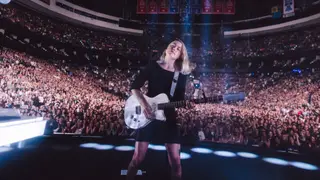
Phoebe Bridgers has extended her Lost Tour into 2027, adding a series of North American arena dates through mid-May. The tour will feature the first-ever arena performances by indie artist Grouper, who will open in Portland, Oregon, and Spokane, Washington, with Paper Wings and Christian Lee Hutson handling support elsewhere. Bridgers is also set to perform at major festivals including Coachella, Primavera, and Hinterland Festival in Iowa.
Phoebe Bridgers has extended her Lost Tour into 2027 with a series of North American arena dates running from February 17 in Portland, Oregon, through mid-May, including high-profile festival appearances at Coachella (April 10–17), Primavera Sound in Barcelona (June 2–6), and Hinterland Festival in St. Charles, Iowa (July 31). The tour marks a significant milestone for indie artist Grouper—real name Liz Harris—who will make her first-ever arena performances opening for Bridgers in Portland and Spokane. For the remaining dates, support acts include Paper Wings and Christian Lee Hutson. This expansion follows the release of Bridgers’ long-awaited solo album *Lost Weekend* in August 2026, which was preceded by a Tidal-exclusive live EP recorded at Madison Square Garden. The announcement coincides with her growing presence in film, including voice work for My Chemical Romance and Conor Oberst projects, a leading role in Lance Oppenheim’s *Primetime*, and an upcoming appearance as musical guest on Saturday Night Live opposite John Mulaney.
The decision to feature Grouper—a longtime cult figure in the lo-fi indie scene—on arena stages signals a shift toward mainstream recognition for deeply introspective, emotionally nuanced artists. Bridgers’ career trajectory, marked by critical acclaim and a loyal fanbase cultivated through intimate shows and phones-free concerts (as noted in Hattie Lindert’s review), has now evolved into large-scale touring with curated support acts that reflect her artistic values. The inclusion of Grouper may be seen as both a tribute and a strategic move to elevate underrepresented voices within the indie ecosystem. Meanwhile, Bridgers’ expanding role in film suggests a broader cultural footprint beyond music, potentially influencing how artists are perceived across entertainment mediums.
What remains unresolved is whether this tour will lead to further collaborations between Bridgers and Grouper, or if her festival appearances will be followed by additional international dates. It’s also unclear how the integration of such a niche artist into a major arena tour might affect ticket pricing, audience expectations, or future booking practices for indie acts.
The inclusion of Grouper on a major arena tour could signal a broader cultural shift toward valuing emotional authenticity and artistic depth in mainstream music. As audiences increasingly seek meaningful experiences beyond spectacle, Bridgers’ curated lineup—featuring artists like Grouper and Christian Lee Hutson—may influence how festivals and promoters approach artist selection, potentially opening doors for other under-the-radar indie musicians. This move could also impact the live music economy by demonstrating that niche acts can draw substantial crowds when paired with established headliners, possibly encouraging more risk-taking in booking decisions. A comparable precedent is the 2013 rise of St. Vincent, whose experimental style gained wider acceptance after high-profile festival appearances and collaborations with mainstream artists. Bridgers’ current trajectory may follow a similar arc, where artistic integrity and emotional resonance become marketable assets. What to watch for next is whether other major touring acts adopt similar models—pairing headliners with lesser-known but critically acclaimed opening acts—to deepen audience engagement. The success of this tour could also affect how streaming platforms like Tidal position exclusive live content as a differentiator in the music industry.