Civil Rights Groups Challenge Honolulu’s Proposed Marathon Surveillance Plan
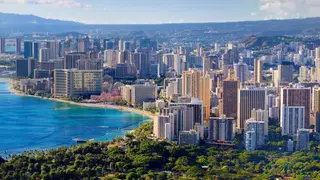
The city of Honolulu is considering using overt video surveillance during the December 13 marathon, which expects over 35,000 participants. Critics, including civil rights advocates, warn that the plan could expand government monitoring beyond the event and infringe on privacy rights. The proposed Resolution 215 would allow cameras to remain in place post-race for traffic monitoring and public facility security, raising concerns about long-term surveillance infrastructure.
The Honolulu City Council is reviewing Resolution 215, introduced on September 29 by Council Chair Tommy Waters, which would authorize overt video surveillance during the 54th annual Honolulu Marathon scheduled for December 13, 2026. The event, expected to draw at least 35,000 runners and 10,000 spectators and volunteers, would see cameras deployed along the route starting at Ala Moana Boulevard and Queen Street. While the resolution cites preventing crime, protecting participants, and securing venues as primary goals, it also permits some cameras to remain in place post-race for traffic monitoring by the Department of Transportation Services and public facility security via the Department of Information Technology. The surveillance authorization would last through December 15, two days after the race, and is subject to a public hearing. However, the resolution does not specify the number of cameras, their exact locations, types of equipment used, or retention policies for recorded footage. Civil rights advocates, including Mandy Fernandes of the ACLU of Hawai‘i, have raised alarms about the potential for misuse, especially with emerging technologies like facial recognition and AI processing that could be applied to surveillance data without clear oversight. Dylan Armstrong of Manoa Neighborhood Board No. 7 cited mainland cases where flawed video evidence led to wrongful charges, underscoring risks of overreliance on surveillance. In contrast, Dale Vanderbrink of Ala Moana-Kakaako Neighborhood Board No. 11 supported the measure, citing personal safety during races. HPD Major Clifford Ramson confirmed that temporary camera trailers would be deployed and removed after the event, while 47 existing traffic cameras—currently not recording video but providing live feeds—would be used for real-time monitoring during the race. The resolution remains under review by the Public Safety and Economy Committee following a November 5 council vote.
The proposed surveillance plan could set a precedent for how cities in Hawaii and beyond justify long-term monitoring under the guise of public safety during large events. While temporary security measures are common, the potential repurposing of cameras for ongoing traffic and facility monitoring raises concerns about mission creep—where event-specific tools evolve into permanent surveillance infrastructure. The ACLU’s call for caution echoes broader national debates over facial recognition and automated data processing, particularly in light of over 90 license plate reader installations across Hawaii. If adopted, Resolution 215 may prompt similar proposals in other cities, especially those hosting major public gatherings, potentially normalizing pervasive monitoring without robust legal safeguards. The lack of transparency around camera deployment, retention, and access protocols could erode public trust, particularly among communities historically overpoliced. Comparable cases, such as the use of surveillance during protests or at national events like the Super Bowl, have sparked controversy when footage was later used in unrelated investigations. What remains uncertain is whether the city will implement binding policies on data handling or establish independent oversight—factors that could determine whether this plan becomes a model for responsible security or a step toward unchecked surveillance. The next phase, pending committee review, will be critical in shaping future policy.