'SIX: The Musical' Concludes Broadway Run with Final Evening Show on January 3, 2027
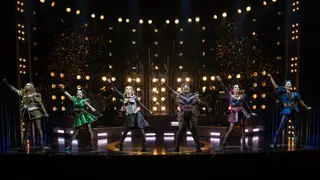
The musical 'SIX: The Musical' will end its Broadway run with a final performance on January 3, 2027, adding an evening show at 7:00 p.m. to its previously announced closing matinee. The production, which has played 2,179 performances at the Lena Horne Theatre, features a rotating cast including Abigail Barlow and Khaila Wilcoxon. The show reimagines the lives of Henry VIII’s six wives as pop stars reclaiming their narratives.
SIX: The Musical will conclude its Broadway run on January 3, 2027, with a final performance at 7:00 p.m. at the Lena Horne Theatre, following an earlier announced matinee closing. This brings the show’s total number of performances to 2,179 over its tenure on Broadway, marking a significant milestone for a musical that has redefined historical storytelling through pop music and feminist reinterpretation. The added evening show was confirmed in November 2026, signaling a deliberate effort to honor the production’s legacy with a full-cast finale. The rotating cast includes Abigail Barlow, who has played Katherine Howard and is a Grammy winner, Khaila Wilcoxon, who re-joined the company as Catherine of Aragon for the closing stretch, and other principal performers such as Najah Hetsberger, Chloe Tucker Caine, Natalie Paris, Olivia Donalson, and Stephanie Jae Park. The musical, created by Toby Marlow and Lucy Moss, is co-directed by Moss and Jamie Armitage, with choreography by Carrie-Anne Ingrouille, and has been celebrated for transforming the lives of Henry VIII’s six wives into a modern stage spectacle of empowerment and self-reclamation.
The production’s journey reflects broader cultural shifts toward re-examining historical narratives through contemporary lenses, particularly those centered on women’s agency. Its success on Broadway—after initial runs in London and international tours—demonstrates sustained audience interest in stories that challenge traditional power structures. The decision to add a final evening performance suggests a desire to maximize closure for fans and performers alike, possibly as a tribute to the show’s enduring popularity. While the company has not announced plans for a national tour or international revival, the legacy of SIX may influence future musicals aiming to blend history with modern music genres. What remains unknown is whether the creators will adapt the story for film or streaming platforms, or if any cast members will pursue new projects tied to the brand. The long-term impact on Broadway’s programming—particularly regarding female-led, genre-blending productions—remains to be seen.
SIX: The Musical’s closing may signal a shift in how audiences engage with historical narratives on stage, particularly those centered on women’s experiences. By reframing Tudor queens as pop stars reclaiming their stories, the show has contributed to a growing trend of feminist reinterpretations in theater, potentially influencing future productions that seek to humanize marginalized figures through modern genres. Its success could encourage producers to invest more in original works with strong thematic cohesion and diverse casting, especially those that blend music and history. Comparable to the cultural impact of Hamilton—another genre-blending musical that reimagined American history—the success of SIX may inspire similar projects aiming to democratize historical memory through accessible, emotionally resonant formats. The closure of a long-running show like SIX also raises questions about sustainability in Broadway’s current economic model, where financial viability often depends on extended runs. As ticket prices and production costs rise, the fact that SIX concluded after 2,179 performances—nearly six years—suggests a balance between artistic longevity and commercial realism. The decision to add a final evening show may reflect a strategic effort to maximize revenue in the closing weeks, but it also underscores the emotional weight audiences attach to definitive endings. What could follow is a wave of revivals or adaptations of successful Off-Broadway or international shows, especially those with strong social messages. However, whether this trend will lead to more inclusive storytelling or simply replicate existing patterns remains uncertain.