U.S. Health Officials Announce Funding for First Domestic Clinical Trials of Ibogaine for PTSD
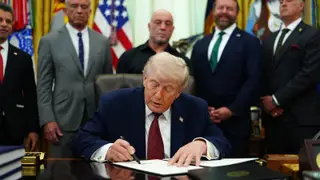
Health Secretary Robert F. Kennedy Jr. announced up to $4.9 million in federal funding to prepare for the first U.S. clinical trials of ibogaine, a psychedelic drug being explored for treating PTSD in veterans. The funds will support manufacturing, dosing, and study design, with data to be provided by Beond Inc., which has treated over 3,000 patients in Mexico. The initiative aims to accelerate research despite ibogaine’s current illegal status under U.S. law.
On November 12, 2026, U.S. Health Secretary Robert F. Kennedy Jr. announced up to $4.9 million in federal funding to prepare for the first domestic clinical trials of ibogaine, a psychedelic substance derived from a West African shrub, for treating post-traumatic stress disorder (PTSD) in veterans. The funds will support critical groundwork including drug manufacturing, dosing protocols, and clinical study design—steps necessary before actual patient trials can begin. While ibogaine remains illegal under U.S. law, classified alongside LSD and ecstasy, the initiative marks a significant shift in federal policy. The data informing this effort will come from Beond Inc., a Texas-based company that has administered ibogaine treatments to over 3,000 patients in Mexico, where the drug is not restricted. This move follows an April 2026 executive order signed by President Donald Trump directing federal agencies to fast-track psychedelic research for mental health conditions. The announcement was made alongside Veterans Affairs Secretary Doug Collins, who emphasized safety and rigorous science as priorities. The broader context includes prior decades of stalled U.S. research due to ibogaine’s legal status, despite anecdotal reports from veterans and advocates about its potential efficacy in treating PTSD, severe depression, and opioid addiction. Notably, the push gained momentum after podcaster Joe Rogan reportedly texted Trump about ibogaine, prompting a swift response from the president expressing support for FDA approval. While three other psychedelic therapies—psilocybin and MDMA—are already under FDA review, ibogaine’s path remains more complex due to its known risks, including potentially fatal cardiac arrhythmias. What remains unresolved is whether the federal government will eventually approve human trials, how quickly the process will unfold, and what regulatory hurdles may still block broader access.
This development could signal a turning point in the U.S. approach to psychedelic medicine, particularly for veterans suffering from treatment-resistant PTSD. If successful, ibogaine trials may open pathways for other psychedelics currently under review, potentially reshaping mental health care delivery and reducing reliance on long-term pharmaceuticals. The involvement of high-profile figures like Trump and Kennedy Jr., along with advocacy from conservative voices and veterans’ groups, suggests a growing political will to challenge entrenched drug policies. However, the risks associated with ibogaine—especially cardiac complications—mean that any approval would likely come with strict safeguards, possibly limiting access even if proven effective. The market for psychedelic therapies may expand rapidly, with private clinics in Mexico already charging $10,000–$20,000 per treatment; a U.S. clinical pathway could disrupt this unregulated industry. A comparable precedent is the FDA’s approval of esketamine (Spravato) for depression in 2019, which followed years of advocacy and safety concerns but ultimately created a new class of psychiatric treatments. What to watch for next includes whether the FDA will grant fast-track status to ibogaine trials, how public health agencies balance innovation with risk, and whether this initiative leads to broader reconsideration of psychedelic scheduling under federal law.