United Airlines CEO Scott Kirby Warns of Fuel-Driven Industry Challenges Amid Merger Push
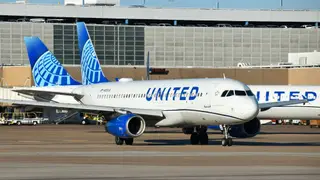
United Airlines CEO Scott Kirby highlighted rising jet fuel costs as a major threat to airline profitability, citing third-quarter fuel expenses of $4.8 billion—up from $3 billion the prior year. Despite strong passenger demand and premium revenue growth, the company issued lower fourth-quarter profit guidance and renewed calls for industry consolidation, including a potential merger with American Airlines. United is also investing in AI-powered travel tools, Starlink connectivity, and gate-side food delivery to differentiate its service.
In November 2026, United Airlines CEO Scott Kirby revealed that third-quarter fuel expenses reached $4.8 billion—up from $3 billion in the same period the prior year—despite a 17.4% revenue increase to $17.9 billion driven by strong premium demand and record international yields. This surge in fuel costs, attributed to geopolitical tensions including the U.S.-Israeli conflict with Iran, led United to issue fourth-quarter earnings guidance of $0.50 to $1.50 per share, below the analyst consensus of $1.76. The broader industry faced similar pressures, with U.S. carriers collectively spending over $18 billion on fuel in Q3, prompting Kirby to warn that six of the ten major U.S. airlines might post losses this year. He reiterated his long-standing interest in a merger with American Airlines, a proposal rejected by American CEO Robert Isom in April 2026 due to antitrust concerns and lack of interest. Despite this, Kirby maintains that consolidation could improve network efficiency, reliability, and global competitiveness, especially given the need for national-scale loyalty programs and credit card partnerships. United is simultaneously investing in Starlink-based in-flight connectivity, AI-powered travel alerts, and gate-side food delivery to differentiate its service amid cost pressures.
The unresolved issue remains whether American Airlines will reconsider a merger, despite prior rejection and regulatory hurdles. Kirby acknowledges that any deal would likely require divestitures to satisfy antitrust regulators. JPMorgan analyst Mark Streeter supports consolidation as a way to reduce redundant hubs and improve capital discipline, though he cautions it is not guaranteed. No timeline or new negotiations have been announced. What remains unknown is whether United will pursue other merger partners or if regulatory bodies will signal openness to large-scale airline combinations in the future.
The rising fuel costs and renewed push for consolidation could reshape the U.S. airline landscape, potentially leading to fewer but larger carriers with more stable pricing and service networks. Passengers may see changes in route availability, fare structures, and loyalty program benefits, especially if hubs are rationalized or routes consolidated. Airlines like Delta, which also reported rising fuel bills and revised profit outlooks, may face similar pressures, possibly accelerating industry-wide restructuring. A comparable precedent is the 2008–2010 wave of airline bankruptcies and mergers, including United’s acquisition of Continental, which reshaped the domestic market. Today’s situation could mirror that era if fuel prices remain elevated and profitability remains elusive. The outcome may depend on regulatory willingness to approve major deals amid antitrust scrutiny. What could follow is a shift toward more stable, albeit less competitive, airline markets—potentially benefiting investors and large carriers while limiting consumer choice and innovation in the short term.