Jake Bauers Joins Red Sox After Breakout Season with Brewers, Wins NLCS MVP
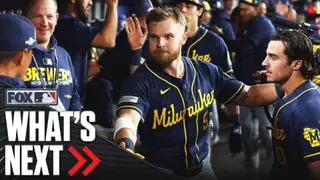
First baseman Jake Bauers signed a four-year, $58 million deal with the Boston Red Sox after a breakout 2026 season with the Milwaukee Brewers, during which he led the team with 26 home runs and earned NLCS MVP honors. His journey included nearly retiring in 2024 before signing a minor-league contract to secure health insurance for his family. The move strengthens Boston’s offense, which ranked last in home runs and slugging percentage the previous season.
In November 2026, first baseman Jake Bauers signed a four-year, $58 million contract with the Boston Red Sox after a breakout 2026 season with the Milwaukee Brewers, during which he led the team with 26 home runs and earned NLCS MVP honors. His journey to stardom was marked by near-retirement in 2024, when, after being removed from the Brewers’ 40-man roster and opting for free agency, he considered leaving baseball entirely to become a stay-at-home dad. The decision to sign a minor-league deal with Milwaukee in 2025—driven by his wife Lauren’s pregnancy and the need for family health insurance—proved pivotal. That season laid the foundation for his 2026 transformation: a .266/.389/.484 slash line, 140 OPS+, and crucial postseason heroics that helped the Brewers win the World Series. The Red Sox, who ranked last in home runs and slugging percentage in 2026, acquired Bauers to address their offensive shortcomings, particularly after trading Rafael Devers. Boston’s president of baseball operations, Craig Breslow, moved quickly to secure him before the expected lockout. Meanwhile, Milwaukee offered Bauers a one-year $23.15 million qualifying offer, which he rejected, resulting in a compensation pick for the Brewers in the 2027 draft. The team now faces the challenge of replacing Bauers’ power and clubhouse leadership, with Andrew Vaughn emerging as a likely internal replacement at first base.
Bauers’ story resonates beyond baseball as a modern-day underdog narrative that underscores the intersection of personal sacrifice and professional resurgence. His decision to return to baseball for health insurance highlights systemic gaps in athlete welfare, particularly for players without guaranteed long-term contracts. The Red Sox’s acquisition may signal a broader trend where teams prioritize players with compelling personal stories and proven late-career breakthroughs, especially when addressing clear roster weaknesses. This move could influence how other franchises evaluate veteran free agents—valuing not just stats but resilience and adaptability. Comparable to the 2016 case of David Freese, whose postseason heroics elevated his market value despite modest prior performance, Bauers’ story may inspire similar risk-taking by front offices. However, it remains uncertain whether this model will be sustainable across teams with different financial constraints or organizational philosophies. What’s next could include a shift in how minor-league deals are leveraged as safety nets, and whether other players will follow suit in using them for family security rather than just career revival.