U.S. Senators Demand Musk Preserve Records on Starlink Restrictions to Ukraine
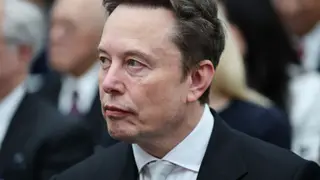
Senators Jeanne Shaheen and Chris Coons have ordered SpaceX CEO Elon Musk to preserve all records related to recent restrictions on Ukraine’s Starlink and Starshield services, citing concerns over national security vulnerabilities. The request follows reports of speed caps limiting drone interception capabilities, with lawmakers questioning SpaceX’s opaque decision-making and its influence on U.S. defense systems. SpaceX denies the restrictions occurred, while Ukrainian officials continue to report disruptions.
In late October and early November 2026, Ukraine experienced significant disruptions to its Starlink and Starshield satellite communications systems, with reports indicating that the operating speed of Starshield was limited to 161 kilometers per hour (100 miles per hour), impairing its ability to track and intercept Russian drones. U.S. Senators Jeanne Shaheen and Chris Coons formally demanded that SpaceX CEO Elon Musk preserve all records related to these service restrictions, specifically from October 13–24 and November 12, citing national security concerns. The senators’ letter, reported by the Wall Street Journal on November 13, also called for documentation of all communications involving Musk, SpaceX officials, the White House, and the U.S. Defense Department dating back to September 1. They expressed alarm over what they described as opaque decision-making and the potential for private companies like SpaceX to influence military capabilities without transparency or accountability. SpaceX has denied any restrictions occurred, calling reports of speed caps “false,” while Ukrainian officials continue to report operational disruptions. Musk previously claimed he was not responsible for the October 2026 service limitations, attributing them to a proposal made to former President Donald Trump, who allegedly pressured Ukraine to halt attacks on Russian oil infrastructure. He also alleged that Ukraine violated Starlink’s terms of service—a claim Kyiv denies. The senators’ request is part of broader scrutiny expected in January 2027, following Democrats’ midterm election victory, as Congress prepares to investigate the White House’s war policy and Musk’s role.
The situation underscores growing unease over private corporations managing critical infrastructure with national security implications. If verified, the alleged throttling of Starshield could signal a vulnerability in U.S.-backed military systems reliant on commercial satellite networks, raising questions about oversight, accountability, and foreign influence. The involvement of Elon Musk—both as a billionaire CEO and a figure with direct ties to former U.S. leadership—adds complexity, potentially blurring lines between corporate autonomy and state control. A comparable precedent is the 2013 Snowden revelations, which exposed how private tech firms could be complicit in government surveillance without public knowledge. Here, the stakes involve real-time battlefield operations rather than data collection. The outcome may influence future defense procurement policies, possibly leading to greater government control over commercial satellite access during conflicts. It could also affect investor confidence in dual-use technologies and prompt calls for legal frameworks governing private-sector roles in war zones. What remains uncertain is whether the records will confirm or deny the restrictions, and how Congress will act on findings—especially given Musk’s public statements and his potential influence in upcoming political cycles.