Statin Use in Cirrhosis Shows Near-Significant Benefit but No Clear Survival Advantage
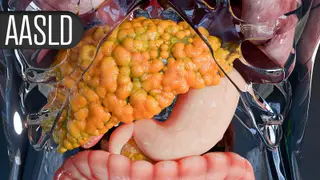
The phase III SACRED trial found that simvastatin reduced the risk of hepatic decompensation and liver cancer in patients with compensated cirrhosis, though the results were just below statistical significance. Overall survival did not differ significantly between statin and placebo groups. Researchers noted a strong safety profile for statins in this population and called for further study through the RESCU trial to clarify their role.
The phase III SACRED trial, presented at the 2026 American Association for the Study of Liver Diseases (AASLD) meeting in Denver, evaluated daily simvastatin versus placebo in patients with high-risk compensated cirrhosis across 11 VA medical centers. Over a median follow-up of up to two years, 8.97% of the 206 patients on simvastatin experienced hepatic decompensation or hepatocellular carcinoma (HCC), compared to 18.75% in the placebo group (HR 0.41, P = 0.064)—a near-significant reduction just shy of statistical significance. HCC incidence was particularly lower in the statin group (2.56%) versus placebo (7.81%). While overall survival did not differ significantly (HR 2.31, P = 0.469), restricted mean survival time favored simvastatin by 51 days (P = 0.043). The study excluded patients with standard statin indications or recent use, limiting enrollment and power. Most participants were men (93%) with cirrhosis from alcohol (57–64%), hepatitis C (37–40%), or MASLD (19–30%), with a median MELD score of 14. Prior cured hepatitis C in about 40% may have reduced event rates, complicating detection of treatment effects. Despite the lack of definitive survival benefit, researchers noted an excellent safety profile and called for further study through the RESCU trial, which will assess rosuvastatin in a similar population.
The SACRED trial’s near-significant results may prompt cautious reconsideration of statin use in cirrhosis, particularly among patients without traditional cardiovascular indications. While no clear survival advantage emerged, the potential reduction in decompensation and HCC—especially given statins’ established safety—could influence clinical guidelines if confirmed. This could affect hepatology practice, especially in VA systems where many patients have alcohol- or virus-related cirrhosis. The findings may also influence pharmaceutical research, with rosuvastatin’s upcoming RESCU trial poised to clarify whether statins can serve as chemopreventive agents for liver cancer. A comparable precedent is the use of beta-blockers in portal hypertension, where observational data preceded randomized confirmation. However, unlike that case, SACRED did not show a clear survival benefit, so adoption may remain limited without stronger evidence. The next key development will be RESCU’s results, which could shift the balance toward broader statin use in cirrhosis—though only if they demonstrate consistent benefit across endpoints and populations.