Ice Baths May Not Aid Muscle Recovery, Study Finds
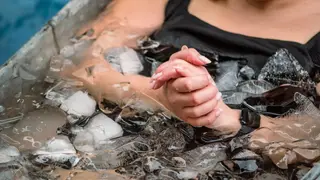
A 2026 study challenges the widespread belief that ice baths enhance post-exercise recovery. Researchers compared ice baths to heat-based recovery methods and found that cooling may interfere with the body's natural inflammatory repair process. The findings suggest that muscle soreness and regeneration are more complex than previously thought, and cold therapy might not be the optimal recovery strategy.
A 2026 study conducted by researchers including Freya Bayne and published via The Conversation US challenges the widely held belief that ice baths enhance post-exercise recovery. The randomized controlled trial involved 40 healthy, physically active adults—31 men and nine women—who performed eccentric exercise targeting the quadriceps using a specialized machine designed to induce measurable muscle damage. Immediately after the workout, participants were assigned to one of four recovery methods: cold-water immersion (10°C), hot-water immersion (42°C), hot air exposure (60°C, simulating sauna conditions), or passive recovery (30 minutes of rest). Over 72 hours, researchers tracked muscle strength, soreness, and biological markers related to inflammation, damage, and cellular stress. Results showed that cold-water immersion did not improve any recovery marker and was associated with the slowest return to baseline strength—only 82% of pre-exercise levels—compared to 88–89% in the other groups. In contrast, heat-based methods increased levels of heat shock protein 72 (HSP72), a key molecule involved in cellular repair and protection, and led to more favorable changes in inflammation and damage markers. While cold immersion reduced perceived soreness, this did not correlate with actual physiological recovery, highlighting a disconnect between subjective feeling and objective recovery. The study’s small sample size limits generalizability, particularly regarding gender differences, and no long-term outcomes were assessed. The findings suggest that the inflammatory response—once viewed as detrimental—is actually essential for muscle adaptation and repair.
The study could shift how athletes, fitness enthusiasts, and sports medicine professionals approach recovery protocols. If cold therapy interferes with natural repair mechanisms, widespread use of ice baths in training regimens may be reconsidered, potentially affecting product markets like cryotherapy devices and recovery centers. The findings may also influence coaching practices, especially at elite levels where recovery is tightly managed. A comparable precedent exists in the 2010s debate over NSAIDs (like ibuprofen) for post-exercise soreness—initially believed to help, but later shown to impair muscle adaptation. This study adds to a growing body of evidence that suppressing inflammation may hinder long-term gains. However, the impact on public behavior remains uncertain; many people still associate cold immersion with recovery due to cultural momentum and anecdotal reports. Future research should explore larger, more diverse populations and longer recovery timelines. The real-world effect may be gradual—shifting norms rather than immediate change—especially as athletes and coaches weigh subjective comfort against physiological outcomes.