Vitamin C May Prevent Cancer-Causing Chemicals in Stomach After Eating Nitrates and Nitrites
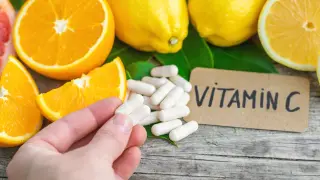
A new study from the University of Waterloo suggests that taking vitamin C after meals may reduce the formation of harmful nitrosation compounds in the stomach, which are linked to cancer risk. The research used mathematical modeling to analyze how dietary vitamin C influences chemical reactions involving nitrates and nitrites found in processed meats and contaminated produce. These findings could lead to new dietary strategies for lowering cancer risk associated with common food additives.
A 2026 study led by researchers at the University of Waterloo used mathematical modeling to explore how vitamin C might inhibit the formation of nitrosation compounds in the stomach—chemicals linked to cancer risk when nitrates and nitrites from food are present. The research, published in the Journal of Theoretical Biology on November 15, 2026, simulated the digestive journey of these compounds through systems including the salivary glands, stomach, small intestine, and blood plasma. The model suggests that consuming vitamin C alongside nitrates and nitrites—common in processed meats like bacon and salami, as well as in produce grown in contaminated soil or water—can interfere with harmful reactions. Notably, the simulations indicate that taking vitamin C after meals may moderately reduce the formation of cancer-linked nitrosation products. This could help explain inconsistencies in earlier research on dietary nitrates and cancer risk, particularly why some foods high in nitrates (like leafy greens) do not appear to increase risk when they also contain natural antioxidants like vitamin C.
The study was led by Dr. Gordon McNicol, a post-doctoral researcher in applied mathematics, and co-authored by Dr. Anita Layton, professor of applied mathematics and Canada 150 Research Chair. Their work builds on decades of research into the health impacts of nitrates and nitrites, which have been increasingly prevalent in North American diets. While these compounds play roles in cardiovascular and neurological functions, their potential to form carcinogenic substances during digestion has raised concerns. The model identifies key factors—such as antioxidant intake, meal timing, gastric acidity, and oral microbiome activity—that influence nitrosation. However, the findings are based on simulations, not clinical trials, so it remains unknown whether vitamin C supplementation actually reduces cancer risk in humans. Further research is needed to confirm these predictions and determine optimal dosing and timing.
This study could influence public health messaging around processed meat consumption and dietary supplements, particularly if future trials validate the model’s predictions. Consumers may consider taking vitamin C after meals high in nitrates, potentially altering supplement use patterns and prompting food manufacturers to reconsider ingredient labeling or fortification strategies. The findings may also affect regulatory scrutiny of nitrate levels in water and produce, especially in regions with agricultural runoff. A comparable precedent is the shift in dietary advice following research on trans fats—initially dismissed as benign, then reevaluated after modeling and epidemiological data revealed long-term harm. Similarly, this model could prompt a reassessment of how we evaluate food additives not just by their presence, but by their metabolic context. What remains uncertain is whether the observed reduction in nitrosation translates to measurable cancer prevention in real-world populations. Researchers will need to conduct longitudinal studies and clinical trials to determine if vitamin C supplementation can meaningfully lower stomach cancer risk, especially among high-risk groups such as frequent consumers of processed meats.