Rams, Bills, Broncos, and Chiefs Complete Contract Restructures to Free Up Cap Space
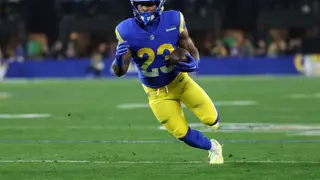
Several NFL teams restructured player contracts ahead of the 2026 trade deadline to create cap space. The Los Angeles Rams restructured deals for Kyren Williams and Kamren Curl, freeing up $3 million. Buffalo Bills adjusted Dion Dawkins’ contract to accommodate Amani Hooker’s acquisition, creating $5.3 million in space. Denver Broncos reduced Talanoa Hufanga’s 2026 cap charge by $3.9 million, while Kansas City Chiefs restructured Nick Bolton’s deal to free up $3.4 million for the Josh Downs trade.
In late November 2026, several NFL teams executed contract restructures to free up cap space ahead of the 2026 trade deadline, with the Los Angeles Rams, Buffalo Bills, Denver Broncos, and Kansas City Chiefs leading the moves. The Rams restructured running back Kyren Williams’ deal through 2028 and safety Kamren Curl’s contract through 2027, generating $3 million in cap space despite no new acquisitions. Buffalo Bills reworked left tackle Dion Dawkins’ contract—whose 2027 cap charge was projected at $26.8 million—to absorb the financial burden of acquiring safety Amani Hooker, freeing up $5.3 million. The Broncos reduced safety Talanoa Hufanga’s 2026 cap charge by $3.9 million, though they ultimately canceled a trade for Chargers linebacker Daiyan Henley. Similarly, the Chiefs restructured linebacker Nick Bolton’s deal—whose 2027 cap hit was over $22 million—to create $3.4 million in space, enabling the acquisition of wide receiver Josh Downs. These moves occurred amid tight salary cap constraints, with Kansas City ranking second-last in remaining cap space at just $2.19 million. The restructures were reported by ESPN’s Field Yates and reflect a broader trend of teams adjusting long-term contracts to maintain roster flexibility during high-stakes trade windows.
The background for these actions lies in the NFL’s hard salary cap system, which limits spending and forces teams to make strategic financial decisions when pursuing talent. Teams like the Bills and Chiefs, with deep playoff aspirations, needed immediate cap room to add impact players without violating league rules. The Rams’ move, though not tied to a trade, may signal long-term planning for future roster adjustments. Key figures involved include team executives, agents, and players such as Williams, Dawkins, Hufanga, Bolton, and Hooker, each with financial stakes in the outcomes. What remains unresolved is whether these restructures will lead to sustained success or create future cap complications—especially if players are later released or re-signed at higher costs. The long-term impact on team stability, player retention, and draft capital allocation remains uncertain.
These contract restructures highlight how NFL teams navigate financial constraints to remain competitive, with ripple effects across player markets and team strategy. By shifting future cap charges into earlier years, teams may gain short-term flexibility but risk long-term payroll imbalances or reduced roster depth. The Bills’ move to absorb Hooker’s salary through Dawkins’ restructuring could signal a shift toward prioritizing defensive upgrades over offensive line stability—a decision that may affect performance in the coming season. Similarly, the Chiefs’ aggressive use of cap space for Downs reflects a high-stakes gamble on young talent, which could pay off if he develops quickly or backfire if he underperforms. Comparable to the 2018 Rams’ restructure of Todd Gurley’s contract, these moves show how cap management can shape team trajectories. What may follow is increased scrutiny from fans and analysts on whether such financial gymnastics lead to sustainable success or merely temporary fixes. The next phase to watch includes how teams manage future cap hits, whether players involved will be re-signed, and if other franchises adopt similar strategies in the 2027 offseason.