Elsa Mendoza Watches Son’s NFL Debut Despite Decades-Long MS Journey
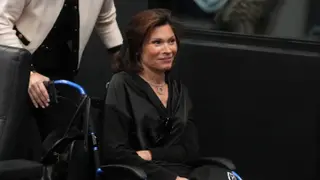
Elsa Mendoza, mother of Las Vegas Raiders quarterback Fernando Mendoza, attended his first NFL start at Allegiant Stadium despite living with multiple sclerosis since 2008. Diagnosed nearly two decades ago and now using a wheelchair, she was present in a suite with her husband as their son made a historic milestone. The emotional moment marked a significant personal achievement for the family, who have supported Mendoza’s football journey through college and into the NFL draft.
On November 15, 2026, at Allegiant Stadium in Las Vegas, Fernando Mendoza made his first NFL start as quarterback for the Las Vegas Raiders in a game against the Seattle Seahawks. His mother, Elsa Mendoza, attended the event despite living with multiple sclerosis (MS) since her diagnosis in 2008, now using a wheelchair and having faced progressive mobility challenges over nearly two decades. She watched from a suite alongside her husband, Fernando Mendoza Sr., who has consistently supported their son’s journey by ensuring she could view the game without obstruction. The moment was deeply symbolic: a culmination of years of personal resilience and familial dedication, especially given that Elsa was diagnosed when Fernando was still a young child. Her presence underscored the emotional core of his professional milestone, one he had pursued since childhood. Prior to this, Mendoza played college football at California before transferring to Indiana, where he led the Hoosiers to a national championship and won the Heisman Trophy. The Raiders selected him with the No. 1 overall pick in the 2026 NFL Draft, marking his arrival on the league’s biggest stage. His parents have remained central figures throughout his rise, sharing in both triumphs and challenges tied to Elsa’s illness.
The broader context includes the unique bond between Fernando and his mother, which he has openly credited as a source of strength amid the pressures of elite football. The Raiders’ fanbase responded with a thoughtful gesture: fans were asked to remain seated during key moments so Elsa could see the field clearly, particularly when her son scored his first NFL touchdown. This act of collective empathy highlighted how personal stories can resonate beyond sports, influencing fan culture and stadium etiquette. While the outcome of the game is not detailed in the text, the emotional significance of the event was profound for the family and community. What remains unresolved is whether Elsa will continue to attend future games, how her health may affect long-term attendance, and how such stories might influence broader conversations about accessibility and inclusion in professional sports environments.
The story of Elsa Mendoza’s presence at her son’s NFL debut could amplify awareness around disability inclusion in high-profile sports settings. Her journey with MS over nearly two decades, culminating in a visible role at a major league game, may inspire similar families to advocate for better accommodations in stadiums and broadcast coverage. The fan-led gesture—requesting spectators remain seated during key plays—demonstrates how grassroots empathy can shape institutional practices, potentially influencing future policies on accessibility at sporting events. Comparable cases, such as the public recognition of NFL player Michael Strahan’s mother during his career, show that familial narratives can humanize athletes and deepen fan engagement. However, while this moment may encourage more inclusive practices, it remains uncertain whether such gestures will become standardized across leagues or remain isolated acts of goodwill. What to watch for next is whether teams or leagues begin formalizing accessibility protocols in response to high-profile stories like this one—could lead to permanent seating accommodations, enhanced viewing options for fans with mobility challenges, or broader media representation of athletes’ personal journeys.