Meizu Unveils Compact Wi-Fi 6 Hotspot with 16-Device Support for 79 Yuan
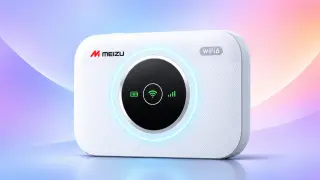
Meizu has introduced the MIFI N1, a portable 4G LTE hotspot that delivers Wi-Fi 6 connectivity to up to 16 devices. The device features a 3,000mAh battery, supports theoretical speeds of 150 Mbps down and 50 Mbps up, and includes automatic network switching for improved signal stability. It is currently listed as 'Coming Soon' in Meizu's Chinese store at a price of 79 yuan.
Meizu has introduced the MIFI N1, a compact 4G LTE mobile hotspot with Wi-Fi 6 support, set to launch in China at a price of 79 yuan (approximately $11 USD), though no official release date has been announced. The device measures 96.6 × 58 × 14.8 mm and weighs just 102 grams, making it highly portable. It uses the Eigencomm EC800LE chipset to connect via FDD and TDD 4G LTE bands and can simultaneously support up to 16 devices over Wi-Fi 6, with theoretical speeds of 150 Mbps down and 50 Mbps up. The 3,000mAh battery is certified under China’s 3C standard, supports automatic sleep mode for power savings, and takes about two hours to fully charge. While the device features QR-based setup and WPA encryption for security, Meizu has not disclosed the specific version of WPA or a full list of supported protocols. Crucially, it remains unclear whether the MIFI N1 uses a removable SIM card or an embedded eSIM, nor are details available on data plan options, eligibility, or pricing beyond rumored monthly and annual plans with a 1,500GB trial. The company has not confirmed availability in India or any other international markets, leaving questions about LTE band compatibility and local carrier support unresolved.
The MIFI N1 enters a competitive market for portable internet solutions, where affordability and connectivity reliability are key drivers. Meizu’s pricing strategy—positioning the device at 79 yuan—suggests an effort to capture budget-conscious consumers, especially students, remote workers, and travelers who need reliable, multi-device access. The inclusion of Wi-Fi 6, a relatively advanced standard for mobile hotspots, indicates a push toward future-proofing even entry-level devices. However, the success of the MIFI N1 hinges not on hardware alone but on the data plans offered alongside it. Without clarity on SIM flexibility or operator choice, users may face lock-in to Meizu’s ecosystem or third-party providers, limiting long-term appeal. The lack of transparency around data terms and international availability reflects a broader pattern in China-based tech launches, where domestic rollout precedes global expansion by months or years. What comes next—whether Meizu will expand distribution, clarify data options, or adapt the device for other regions—remains uncertain.
The Meizu MIFI N1 could significantly impact digital access for low-income users and remote workers in China, particularly those who rely on affordable, reliable internet without long-term contracts. By offering Wi-Fi 6 connectivity at such a low hardware price, it may lower the barrier to entry for multi-device networking, especially in shared living or work environments. However, its real-world utility depends heavily on data plan affordability and flexibility—issues not yet resolved. If Meizu ties the device to restrictive or expensive plans, the value proposition weakens, potentially limiting adoption despite the low upfront cost. This mirrors earlier cases like China’s early 4G dongles, where hardware was cheap but data costs deterred widespread use. The MIFI N1 may also influence competitors to introduce similarly priced Wi-Fi 6 hotspots, pushing innovation into budget segments. For global markets like India, where mobile data is highly competitive and SIM flexibility is expected, the absence of an official launch plan could hinder Meizu’s regional ambitions. What to watch for: whether Meizu follows through with transparent data terms, expands internationally, or uses the MIFI N1 as a gateway to broader ecosystem services—could reshape how budget connectivity is delivered in emerging markets.