John Powers III Named Permanent Director of NIAID Following Acting Role
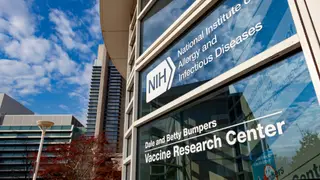
John Powers III, who had been serving as acting director of the National Institute of Allergy and Infectious Diseases (NIAID), has been officially appointed as the agency’s permanent director. The announcement was made by NIAID on Monday, confirming his leadership role in shaping U.S. research and policy on infectious diseases and immunology. His appointment reflects continuity in the institute’s mission during ongoing public health challenges.
John Powers III has been formally named the permanent director of the National Institute of Allergy and Infectious Diseases (NIAID), succeeding his previous role as acting director. The appointment was confirmed by NIAID on Monday, marking a transition from interim leadership to a permanent position. As director, Powers will oversee the institute’s research and policy initiatives related to infectious diseases and immunology across the United States. His official confirmation comes amid continued public health challenges, underscoring the need for stable leadership in federal biomedical research. The announcement does not specify a start date or duration of his term, nor does it detail any prior appointments or qualifications beyond his interim service.
The appointment follows a period of interim leadership, during which Powers managed NIAID’s operations without formal confirmation. This transition reflects broader administrative processes within federal science agencies, where acting roles are often used to maintain continuity while permanent appointments are finalized. The fact that Powers was elevated from acting to permanent director suggests institutional confidence in his stewardship during a critical time for infectious disease preparedness and response. NIAID, part of the National Institutes of Health (NIH), plays a central role in funding and directing research on pathogens such as HIV, tuberculosis, and emerging viruses.
The primary actors involved are John Powers III, as the newly confirmed director, and the National Institute of Allergy and Infectious Diseases itself, which is responsible for advancing scientific understanding to combat infectious diseases. The broader federal health apparatus, including the Department of Health and Human Services, may also be affected by his leadership direction. What remains unclear is whether this appointment signals a shift in research priorities or funding allocations, as no details about future initiatives were included in the announcement. It is also not known if Powers will face confirmation hearings or other formal vetting processes beyond internal agency decisions.
The appointment of John Powers III as permanent director of NIAID could influence the trajectory of U.S. infectious disease research and public health policy, particularly in how federal agencies respond to emerging threats. As NIAID leads much of the nation’s work on vaccines, therapeutics, and surveillance systems, his leadership may shape the speed and scope of scientific responses to future outbreaks. The shift from acting to permanent director may signal stability during a period when sustained investment in biomedical research is crucial, especially after the disruptions caused by the COVID-19 pandemic. This appointment may also affect funding patterns within the NIH and influence how other health agencies coordinate with NIAID on cross-cutting issues like antimicrobial resistance or global health security. A comparable precedent is the 2020 appointment of Dr. Anthony Fauci as a key figure during the pandemic, whose long-standing role helped maintain continuity in public health messaging and research direction. While Powers’ tenure is still new, his leadership could impact scientific morale, grant allocation decisions, and international collaborations. What to watch for next includes whether he announces new strategic priorities or shifts in research focus—especially as climate change and global travel may increase the risk of novel pathogen emergence.