Apple Rolls Out iOS 27.3 Beta 2 with Face Unlock for iPhone Duo and AI Usage Limits
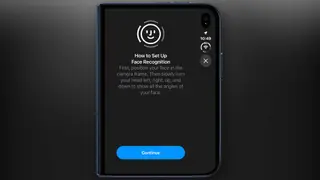
Apple has released the second beta of iOS 27.3, introducing facial recognition unlocking for the iPhone Duo and implementing daily usage limits for cloud-based Apple Intelligence features. These limits vary by iCloud+ subscription tier, with higher-tier plans offering up to 20 times more access. The update also includes new Siri AI capabilities, video podcast support in the Apple TV app, and a redesigned Health app.
Apple has released the second beta of iOS 27.3, introducing facial recognition unlocking for the iPhone Duo, a device not yet officially announced but implied by the feature set. This new Face Unlock option, accessible via Settings > Touch ID & Passcode, functions only for screen unlocking and requires prior use of Touch ID or a passcode, suggesting a hybrid biometric approach. The update also implements daily usage limits for cloud-based Apple Intelligence features—such as Siri AI, Image Playground, and photo editing tools like Clean Up and Extend—varying by iCloud+ subscription tier: the 200GB plan offers double access, while the top-tier 12TB plan provides up to 20 times more usage. These limits are part of Apple’s broader strategy to monetize AI features through tiered access, aligning with its recent shift toward cloud-based intelligence. The beta also brings video podcast support to the Apple TV app, a redesigned Health app, and new Siri AI capabilities including “Ask About Page,” which enables Siri to summarize entire web pages. Additionally, Apple Intelligence is being rolled out in China with features like Writing Tools and Genmoji, though Siri AI remains unavailable there. The final public release is expected by late November or early December.
The background for these changes lies in Apple’s growing investment in on-device and cloud-based AI, particularly following the introduction of Apple Intelligence at WWDC 2024. The company has been testing AI features across its ecosystem, including with the Apple Watch Series 12 and Ultra 4, where Live Rewind and Siri Recap are now available. Developers are being invited to integrate App Intents into third-party apps, expanding Siri’s reach beyond Apple’s native applications. Apple’s decision to limit cloud-based AI usage based on subscription tier reflects a strategic move to drive adoption of higher-tier iCloud+ plans. However, the exact daily limits remain unspecified, and the full impact on user experience—especially for power users or developers—remains unclear. The iPhone Duo remains unannounced, so details about its hardware, release date, or pricing are unknown. It is also uncertain whether Face Unlock will be available on future models or if Apple will eventually phase out Touch ID entirely.
The introduction of tiered AI usage limits in iOS 27.3 could reshape how users interact with intelligent features, potentially creating a new digital divide between those who can afford premium subscriptions and those who cannot. By tying access to iCloud+ tiers, Apple may be testing a monetization model that could influence other tech giants to adopt similar strategies for cloud-based AI services. This approach may particularly affect content creators, developers, and power users who rely heavily on features like Image Playground or Siri AI actions across apps. The inclusion of video podcasts in the Apple TV app may also strengthen Apple’s position in the podcasting market, especially as competitors like Spotify and YouTube continue to expand their audio offerings. A comparable precedent is Netflix’s tiered streaming quality model, which differentiated user experience based on subscription level—Apple may be replicating this strategy with AI capabilities. Looking ahead, the success of this model could influence how AI features are distributed across platforms, possibly leading to more “pay-for-usage” models in software ecosystems. The eventual public rollout of iOS 27.3—and the full suite of Apple Intelligence features—may also impact consumer expectations around free AI tools. If users perceive limitations as excessive or poorly communicated, backlash could emerge. Additionally, third-party app developers will need to adapt to App Intents, which may accelerate integration but also raise concerns about data privacy and centralization. The long-term effect on innovation in the app ecosystem remains uncertain, but Apple’s control over AI access could either foster collaboration or stifle competition.