Crimea Bridge Suspended After Reported Attack Amid Kyiv Bridge Strikes
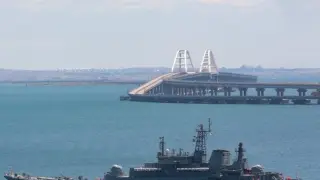
On November 17, 2026, the Crimean Bridge linking occupied Crimea to mainland Russia was reportedly attacked, leading Russian-installed governor Sergei Aksyonov to suspend traffic. The incident followed Russian missile strikes on two major Kyiv bridges earlier that day. Ukraine has not claimed responsibility, and damage details remain unclear. The bridge, built after Russia’s 2014 annexation, remains a key strategic route.
On November 17, 2026, the Kerch Bridge—also known as the Crimean Bridge—linking mainland Russia to occupied Crimea was reportedly attacked, prompting Russian-installed governor Sergei Aksyonov to suspend all traffic across the structure. The incident occurred amid a broader wave of Russian missile strikes targeting Kyiv’s North and South bridges on the previous evening, November 16. Ukrainian officials, including Mayor Vitali Klitschko, confirmed preliminary damage to both crossings, while Ukraine’s Air Force reported active air defense operations during incoming ballistic missile alerts. The Kerch Bridge, a 19-kilometer-long infrastructure project constructed after Russia’s illegal annexation of Crimea in 2014, serves as a critical logistical artery for Russian military and civilian supply lines into southern Ukraine. It has been previously targeted in Ukrainian sabotage operations, including an underwater attack by the Security Service of Ukraine (SBU) in June 2025. Despite these prior incidents, no official claim of responsibility has been made by Ukraine following the November 17 strike, and the extent of damage remains unverified. The lack of confirmation from either side underscores ongoing uncertainty in reporting during active conflict.
The broader context reveals a pattern of escalating infrastructure warfare as winter approaches, with both sides targeting transportation networks to disrupt supply chains and demoralize populations. Russia’s repeated strikes on Kyiv’s bridges reflect a strategy aimed at undermining Ukrainian resilience and civilian infrastructure, particularly as energy systems face increased strain. Meanwhile, Ukraine’s prior operations against the Crimean Bridge suggest a sustained effort to degrade Russian military access to occupied territories. Key actors include Russia’s occupation administration in Crimea, led by Aksyonov; Ukraine’s leadership under President Volodymyr Zelensky, who had warned of impending attacks; and Ukrainian intelligence bodies like the SBU. The unresolved nature of this event lies in the absence of verified damage reports, lack of official attribution, and uncertainty over whether the attack was a coordinated effort or isolated incident. What comes next may depend on Russia’s response—whether it escalates retaliation or attempts to repair the bridge under ongoing combat conditions.
The disruption of the Crimean Bridge and Kyiv’s major crossings could significantly affect civilian mobility and humanitarian logistics in both occupied Crimea and the Ukrainian capital, especially as winter intensifies. Residents reliant on cross-bridge supply routes may face worsening shortages of food, medicine, and fuel, while military operations may be further strained by degraded infrastructure. The strikes also risk amplifying civilian casualties and psychological stress, particularly in Kyiv where repeated attacks on bridges—symbols of urban continuity—may erode public confidence in state protection. In broader terms, such targeted infrastructure damage could influence international perceptions of the war’s trajectory, potentially affecting foreign aid flows or diplomatic negotiations. A comparable precedent is the 2022 destruction of the Kakhovka Dam, which caused widespread flooding and environmental harm, demonstrating how infrastructure attacks can have cascading regional effects beyond immediate military objectives. What may follow includes increased Ukrainian efforts to disrupt Russian supply lines through asymmetric tactics, while Russia could retaliate with intensified strikes on civilian infrastructure in Ukrainian cities. Monitoring the resilience of air defense systems and humanitarian corridors will be crucial in assessing the war’s evolving impact on society.