Environmental Groups Urge EPA to Lower Nitrate Limits Amid Widespread Contamination
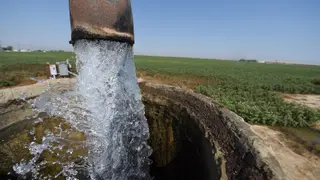
A coalition of environmental and public health organizations is calling on the EPA to reduce the federal nitrate standard in drinking water from 10 mg/L to 1 mg/L. They warn that nearly 120 million Americans are exposed to unsafe levels, with farming regions particularly affected. The petition cites links between nitrate exposure and cancer, thyroid disease, and birth defects, emphasizing that climate change is worsening contamination through extreme weather events.
On November 17, 2026, a coalition of 12 environmental and public health organizations—including the Natural Resources Defense Council, Union of Concerned Scientists, and Prairie Rivers Network—filed a formal petition with the U.S. Environmental Protection Agency (EPA) urging it to lower the federal nitrate standard in drinking water from 10 mg/L to 1 mg/L. The petition cites that nearly 120 million Americans, or about one in three people, are currently exposed to nitrate levels exceeding 1 mg/L—ten times the current threshold—particularly in agricultural regions like Iowa, California, Texas, and Arizona. The current standard, established in 1975 and finalized in 1991, was based primarily on preventing blue baby syndrome, a condition affecting infants due to oxygen deprivation. However, new research now links nitrate exposure to colorectal cancer, thyroid disease, and birth defects, prompting calls for stricter regulation. The EPA previously reviewed the standard in 2024 but concluded it did not warrant revision at that time, despite prior efforts under the Obama and Biden administrations, which were interrupted by the Trump administration’s reversal of regulatory progress. The petition also includes a cost-benefit analysis by One Water Econ, projecting $94.5 billion in expenses over 50 years to meet the new standard but estimating $364 billion in health benefits. Advocates argue that the current system fails vulnerable populations—especially rural, low-income, and Latino communities—and demand immediate interim measures while the EPA reconsiders its stance.
The push to lower nitrate limits could significantly impact public health infrastructure, particularly in agricultural states where water treatment systems may need costly upgrades. If adopted, the 1 mg/L standard may force municipalities to invest heavily in filtration technologies or source diversification, potentially raising water bills and straining local budgets. The economic burden would fall disproportionately on rural communities already facing resource limitations. This situation echoes earlier regulatory shifts like the 2011 revision of lead standards in drinking water, which similarly faced resistance due to implementation costs but ultimately led to long-term health improvements. The outcome may also influence federal oversight of industrial agriculture, potentially leading to stricter enforcement of the Clean Water Act or new regulations on fertilizer use. However, whether the EPA will reverse its 2024 decision remains uncertain, especially given past political interference in environmental rulemaking. What’s next could depend on legal pressure, public mobilization, or a shift in federal leadership—any of which may prompt renewed regulatory action.