TotalEnergies Abandons $16 Billion Green Hydrogen Project in Chile Due to Demand and Cost Concerns
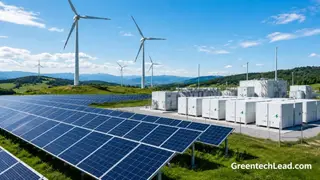
TotalEnergies’ Chilean subsidiary TEC H2 MAG withdrew its environmental assessment application for the $16 billion H2 Magallanes green hydrogen and ammonia project in San Gregorio, citing insufficient long-term demand commitments and higher-than-expected equipment costs. The proposed facility included 5 GW of wind power, 3.85 GW of electrolysis capacity, and infrastructure for daily production of up to 10,800 tonnes of green ammonia. The withdrawal ends the current environmental review process.
TotalEnergies’ Chilean subsidiary, TEC H2 MAG, formally withdrew its environmental assessment application for the H2 Magallanes green hydrogen and ammonia project on November 12, 2026, with approval received the following day. The project, proposed for San Gregorio in southern Chile, was valued at $16 billion and intended to include 5 gigawatts (GW) of wind power, 3.85 GW of electrolysis capacity, and infrastructure for daily production of up to 10,800 tonnes of green ammonia—equivalent to roughly 3.94 million tonnes annually. The development also planned for desalination facilities and maritime export infrastructure to support international markets. The withdrawal was prompted by two key factors: insufficient long-term demand commitments from potential buyers and equipment costs that remained higher than projected, despite expected declines in renewable technology pricing. This decision effectively ends the current environmental review process, halting progress on what had been one of the largest green hydrogen initiatives in Latin America.
The project was part of TotalEnergies’ broader strategy to expand into green hydrogen, leveraging Chile’s abundant wind and solar resources. However, the lack of binding off-take agreements and persistent cost inflation in critical components like electrolyzers and turbines undermined financial viability. TEC H2 MAG, a subsidiary focused on decarbonized fuels, had previously advanced through early regulatory stages, but the absence of firm market signals and rising capital requirements made continued investment unfeasible. The company’s decision reflects broader industry caution as green hydrogen projects face increasing scrutiny over commercial scalability. No further announcements about future plans for the site have been made, and it remains unclear whether the project will be revived under different terms or by another developer. The outcome underscores the challenges in translating large-scale renewable ambitions into operational reality amid volatile markets and uncertain demand.
The withdrawal of the H2 Magallanes project signals growing caution in the global green hydrogen sector, where ambitious plans often outpace market readiness. While Chile remains a prime location for renewable energy due to its high solar and wind potential, this setback may deter other investors from committing to similar megaprojects without guaranteed off-take agreements or stable financing. The decision could influence policy discussions in Chile and other emerging markets, potentially prompting governments to offer more robust incentives or long-term procurement contracts to de-risk investments. A comparable precedent is the 2021 cancellation of a $10 billion green hydrogen project in Australia, which also cited insufficient demand and cost overruns. That case contributed to a broader industry pause in 2022–2023, as developers recalibrated expectations. The H2 Magallanes withdrawal may similarly prompt a reassessment of project scale and timelines across the sector. Moving forward, the industry may see a shift toward smaller, modular projects with clearer market pathways, rather than relying on massive, unproven ventures. Monitoring how Chile responds—whether through policy adjustments or new partnerships—will be critical to understanding the future of green hydrogen in Latin America.