Xiaomi 18 Pro and Pro Max Differ in Size, Display, and Weight Despite Similar Features
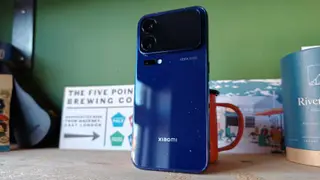
The Xiaomi 18 Pro Max features a larger 6.9-inch front display and is significantly heavier at 229g compared to the 18 Pro’s 6.4-inch screen and 198g weight. Both models include rear displays for notifications and AI applets, privacy shielding, and identical core hardware like the M11 material and LTPO 1–120Hz refresh rate. The Pro Max also has a slightly larger back display, emphasizing its premium positioning.
Xiaomi launched the 18 Pro and 18 Pro Max less than nine months after the 17 and 17 Ultra models, positioning the new flagships as immediate successors in a rapidly evolving premium smartphone market. The 18 Pro Max measures 163.39 x 77.6 x 8.39mm (up to 8.47mm for Cosmic Blue) and weighs 229g (234g for Cosmic Blue), while the 18 Pro is more compact at 151.8 x 72 x 8.46mm (8.56mm for Cosmic Blue) and weighs 198g (203g for Cosmic Blue). The Pro Max features a larger 6.9-inch front display with 2624 x 1208 resolution, compared to the Pro’s 6.4-inch 2436 x 1120 screen, and a slightly bigger rear display (2.9" vs. 2.7"). Both models share identical core hardware including M11 material, LTPO 1–120Hz refresh rate, 4000 nits peak brightness, Xiaomi Shield Glass 3.0, and privacy shielding. The Pro Max’s 7,050mAh battery offers a 15% capacity increase over the Pro’s 6,000mAh, with 100W wired charging versus 90W on the Pro. Performance differs due to the Snapdragon 8 Elite Extreme Gen 6 in the Max (with Adreno 850 GPU and 18MB HPM) versus the standard Snapdragon 8 Elite Gen 6 in the Pro (Adreno 845). The Pro Max also gains exclusive LOFIC technology on its main camera, enhancing HDR performance. Pricing reflects this hierarchy: the Pro Max starts at £1,399/€1,599 for 256GB, rising to £1,599 for 512GB, while the Pro begins at £1,199/€1,399 and reaches £1,399 for 512GB. The company appears to be targeting both performance enthusiasts and users seeking a more compact form factor, with the Pro Max emphasizing premium features and the Pro prioritizing accessibility.
The introduction of dual-display flagships like the Xiaomi 18 Pro and Pro Max could influence consumer expectations around smartphone functionality, particularly in how secondary screens are used for notifications, AI applets, and privacy. These devices may encourage other manufacturers to adopt similar rear display features, especially as they represent a rare innovation in mainstream phones within Europe and the UK. The performance gap between the two models—driven by GPU and NPU differences—may affect how users perceive value, particularly with the 512GB Pro priced identically to the 256GB Max, creating a complex decision matrix. This pricing strategy could test consumer willingness to pay for incremental upgrades, potentially impacting sales volume and market positioning. A comparable precedent is Apple’s iPhone SE vs. Pro lineup, where performance and form factor differences drive segmentation. However, Xiaomi’s approach with dual screens adds a unique layer of differentiation. The long-term impact may depend on whether users find practical utility in the rear display beyond novelty. If adoption grows, it could lead to new app ecosystems or design standards. What remains uncertain is how sustainable this dual-display model is—especially given the weight and cost increases—and whether it will become a standard or remain a niche feature.