WWE Hall of Famer 'Cowboy' Bill Watts Passes Away at 87
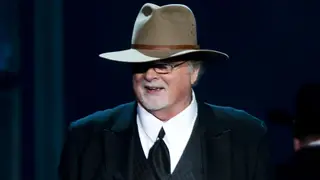
Bill Watts, a legendary figure in professional wrestling and WWE Hall of Famer, has died at the age of 87. He was known for his contributions as a promoter, notably through Mid-South Wrestling and later WCW, where he helped develop future wrestling stars. Triple H confirmed his passing, honoring Watts' legacy as a key architect behind the scenes in major wrestling promotions.
WWE Hall of Famer “Cowboy” Bill Watts passed away at the age of 87 on November 17, 2026, as confirmed by WWE chief content officer Triple H through a social media statement. Watts was a pivotal figure in professional wrestling’s evolution, known for his behind-the-scenes influence rather than in-ring fame. He began his athletic career playing college football at the University of Oklahoma and briefly pursued a pro football path before transitioning into wrestling. His most notable early rivalry was with WWWF champion Bruno Sammartino. By the 1980s, Watts shifted focus to promotion, founding Mid-South Wrestling, which later became the Universal Wrestling Federation (UWF). This promotion served as a developmental ground for future WWE Hall of Famers, showcasing distinct character-driven storytelling and in-ring style. After selling the UWF, he joined World Championship Wrestling (WCW) as executive vice president, though his tenure was brief. He also served as a booker for the WWF during a transitional period. His contributions were recognized with induction into the WWE Hall of Fame in 2009, honoring his role as a foundational architect in shaping modern wrestling promotion.
The broader context of Watts’ career reflects the structural evolution of professional wrestling from regional circuits to national and international brands. His work in Mid-South Wrestling exemplified how independent promotions could cultivate talent and narrative depth, influencing later models used by WWE and WCW. The fact that Triple H publicly acknowledged his passing underscores the enduring respect for behind-the-scenes innovators in a business often dominated by on-screen personalities. While no official details about funeral arrangements or memorial events are provided in the text, the recognition from a top WWE executive suggests formal tributes may follow. What remains unclear is whether any posthumous honors or archival projects related to his legacy are being planned by WWE or other wrestling organizations.
Watts’ passing marks the end of an era in professional wrestling’s formative years, highlighting how foundational figures shaped the industry’s business and creative models. His influence on talent development through Mid-South Wrestling may have indirectly impacted the current generation of wrestlers, particularly those trained in independent circuits that still emulate his character-driven approach. The legacy of such promoters could affect how modern promotions like WWE and AEW structure their developmental brands. Comparable to the impact of early NWA figures like Jim Crockett Jr., Watts’ work helped transition wrestling from regional entertainment to a nationally syndicated product. His death may prompt retrospectives or archival projects that re-examine the pre-WWE boom era, potentially influencing how younger fans and historians understand the sport’s roots. What remains to be seen is whether WWE or other organizations will launch initiatives—such as documentaries or digital tributes—to preserve his contributions amid ongoing shifts in wrestling media consumption.