Slow Horses Secures Seasons 9 and 10 Renewal Ahead of Season 7 Launch
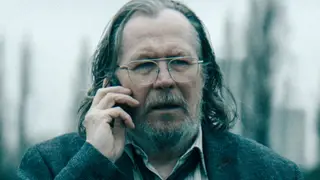
Apple TV has renewed the Gary Oldman-led spy drama 'Slow Horses' for Seasons 9 and 10, extending the series beyond its current novel adaptation arc. Season 7, based on Mick Herron's 'Bad Actors,' is already filmed and set for a 2027 release, with Season 8 in production for 2028. The renewal raises questions about the storyline beyond the nine published Slough House novels, as Apple has not yet revealed how the series will continue after the existing source material ends.
Apple TV has renewed the Gary Oldman-led spy drama *Slow Horses* for Seasons 9 and 10, extending the series beyond the nine published novels by author Mick Herron. The renewal comes ahead of Season 7’s 2027 release, which is already filmed and based on Herron’s novel *Bad Actors*. Season 8, adapted from *Clown Town*, is currently in production for a 2028 launch. The show, which premiered in 2022, has followed a consistent annual fall release pattern since Season 1, with Seasons 1–6 adapting the first six novels. The early renewal—announced just one day after actress Olivia Cooke hinted Season 8 might be the final season—signals Apple TV’s confidence in the franchise’s longevity. The series, set in the fictional Slough House division of MI5, centers on disgraced intelligence agents led by Jackson Lamb, portrayed by Oldman, and has earned critical acclaim, including Emmy and BAFTA wins. The decision to greenlight two additional seasons beyond the existing novel canon marks a significant shift, as the show will now need to move into original storytelling. Apple has not yet revealed how it plans to continue the narrative, leaving the future of the series’ plot unresolved. The production team, including executive producers and writers, will now face the challenge of crafting compelling new arcs without the anchor of Herron’s source material.
The renewal of *Slow Horses* for two additional seasons beyond its source material could signal a broader trend in streaming content: the extension of high-performing franchises into original territory, even after established literary foundations end. This move may influence how streaming platforms approach adaptation-heavy series, potentially prioritizing brand longevity over strict fidelity to source material. The show’s success—driven by its blend of dark humor, espionage intrigue, and character depth—could encourage other platforms to invest in similar long-term series, even without a clear endpoint. A comparable precedent is *Game of Thrones*, which, after exhausting George R.R. Martin’s published material, faced challenges in maintaining audience trust during its final seasons. While *Slow Horses* has a strong creative team and established fanbase, the risk of narrative fatigue or creative drift remains. What’s next could depend on how Apple TV balances fan expectations with innovation. The industry may watch closely to see whether original storytelling can sustain viewer engagement as effectively as book adaptations, especially in a crowded streaming landscape.